
Interventional Pain
Vertebroplasty and Kyphoplasty for Spinal Fractures
Dr. Parmanand Jain, MD, MNAMS18 April 20266 min read19.3k views
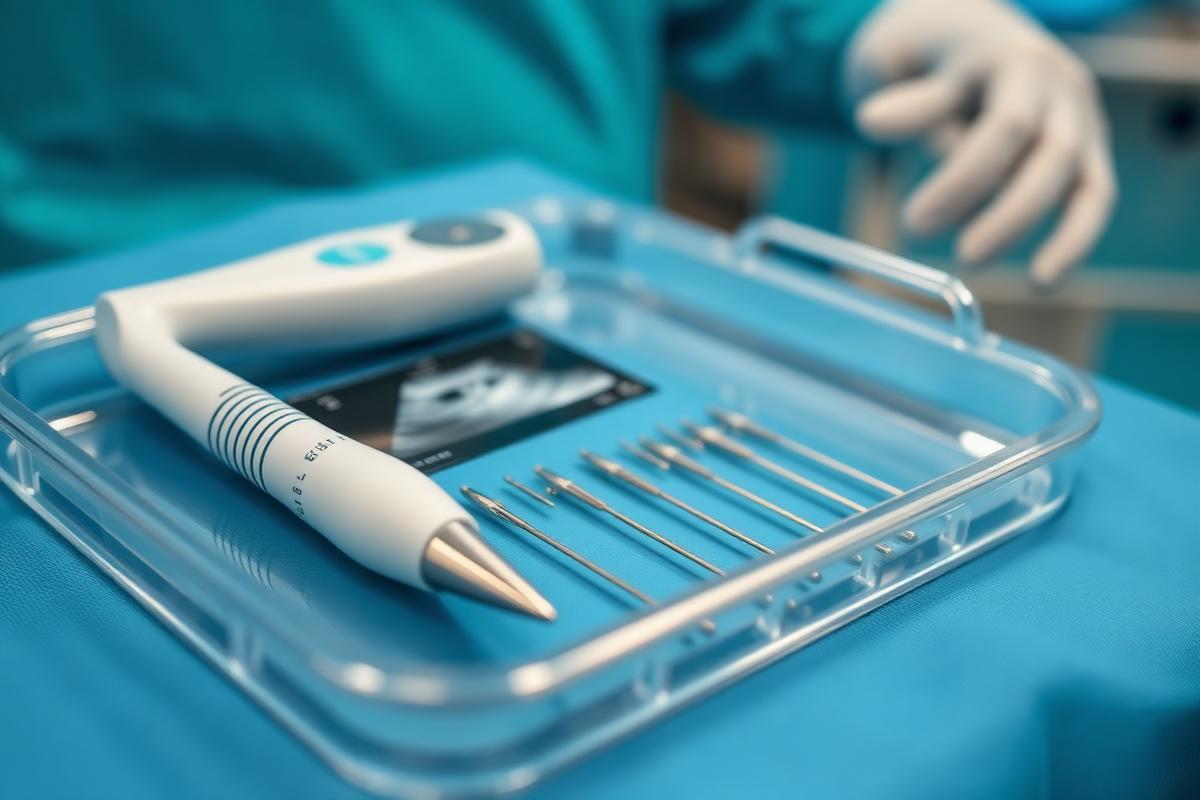
A professional guide to cement augmentation techniques for managing painful osteoporotic and malignant vertebral fractures using minimally invasive methods.
Vertebral compression fractures are a common cause of debilitating back pain, particularly among older individuals with osteoporosis or patients suffering from metastatic spinal disease. When a vertebra collapses, it leads to significant structural instability, causing sharp pain during movement and a gradual loss of height or spinal curvature. While traditional management includes bed rest and braces, prolonged inactivity often leads to further complications like pneumonia or blood clots. Vertebroplasty and kyphoplasty have emerged as the standard interventional treatments to stabilise these fractures and provide rapid pain relief through the internal reinforcement of the bone.
Understanding the Procedures
Both vertebroplasty and kyphoplasty are minimally invasive, image-guided procedures where a medical-grade bone cement, known as polymethylmethacrylate, is injected into the fractured vertebral body. In vertebroplasty, the cement is injected directly into the collapsed bone to bond the fragments together. Kyphoplasty, however, involves an additional preliminary step where a small balloon is inserted and inflated to create a cavity and partially restore the vertebral height before the cement is introduced. The choice between the two often depends on the age of the fracture and the degree of spinal deformity present in the patient.
Candidates for Treatment
Not every back pain sufferer is a candidate for cement augmentation. These procedures are specifically designed for mechanical pain resulting from a documented fracture that has not responded to conservative medical management. We typically consider these interventions for patients who meet specific clinical criteria to ensure the highest safety and efficacy levels.
- Patients with painful osteoporotic compression fractures less than six weeks old.
- Individuals with painful vertebral haemangiomas or symptomatic primary bone tumours.
- Patients with osteolytic lesions caused by multiple myeloma or metastatic cancer.
- Elderly patients who cannot tolerate long-term bed rest or heavy analgesic medication.
The Clinical Process
The procedure is usually performed in a specialised interventional suite under local anaesthesia with conscious sedation, or occasionally general anaesthesia. Using high-resolution fluoroscopy, the physician guides a hollow needle through the skin into the vertebral body. Once the position is confirmed, the cement is injected under continuous monitoring to prevent leakage. The entire process for a single level typically takes about forty-five to sixty minutes. Patients are usually observed for a few hours post-procedure and are often encouraged to mobilise the same evening, marking a significant departure from the weeks of immobility required by conservative care.
Benefits and Expected Outcomes
The primary goal of these interventions is the immediate stabilisation of the fracture site, which effectively 'freezes' the painful movement of bone fragments. Most patients report a significant reduction in pain levels within twenty-four to forty-eight hours, allowing them to reduce their dependence on strong painkillers like opioids. By restoring stability, these procedures help maintain the patient’s functional independence and prevent the 'dowager’s hump' or kyphosis that often follows multiple untreated fractures. Early intervention is particularly beneficial in the Indian context, where late diagnosis often leads to irreversible structural changes.
Safety and Precautions
While these procedures are generally very safe, they are not without risks. Potential complications, though rare, include cement leakage into the spinal canal or blood vessels, infection, or allergic reactions. It is essential that these procedures are performed by experienced pain specialists or interventionists who have the expertise to manage these risks effectively. Patients should also continue their underlying treatment for osteoporosis, such as calcium, Vitamin D, and anti-resorptive medications, as the procedure treats the fracture but not the systemic disease that caused the bone to weaken initially.
- Avoid lifting heavy weights for at least six weeks following the procedure.
- Maintain a diet rich in calcium and follow the prescribed bone-strengthening regimen.
- Attend follow-up appointments to monitor for new fractures at adjacent spinal levels.
When to Consult a Pain Specialist
If you or an elderly family member experiences sudden, intense back pain following a minor fall or even a cough, it is imperative to seek a consultation with a pain specialist immediately. Early diagnosis via MRI or CT scan is crucial, as the window for optimal results with kyphoplasty is often limited to the first few weeks after the injury occurs. A specialist can provide a comprehensive evaluation to determine if your pain is truly mechanical and whether a minimally invasive stabilisation procedure is the most appropriate path toward restoring your quality of life.
Previous articleSuperior Hypogastric Plexus Block for Pelvic Cancer PainNext article Trigeminal and Facial Pain InterventionsSpeak to a pain specialist
Dr. Parmanand Jain consults at Sushrut Hospital, Chembur, Mumbai. Appointments for patients from Mumbai, Navi Mumbai, Thane and across India.
+91 99676 60429