
Interventional Pain
What Is a Neurolytic Celiac Plexus Block?
Dr. Parmanand Jain, MD, MNAMS14 July 20266 min read20.6k views
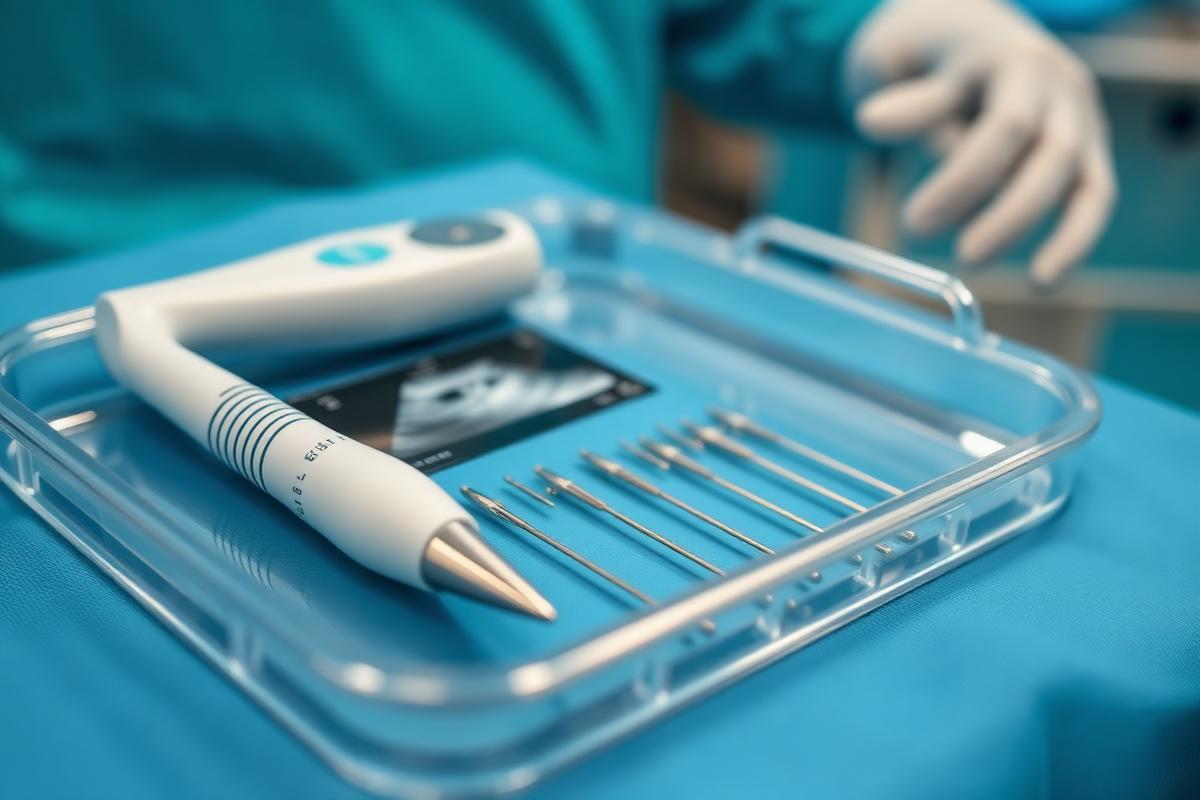
For pancreatic and upper abdominal cancer pain, one precise procedure can replace a handful of tablets. Here is what it involves.
The celiac plexus is a dense bundle of nerves lying in front of the spine, behind the stomach. It carries pain sensation from the pancreas, liver, gall bladder, stomach and much of the intestine. When cancer in these organs causes deep, boring abdominal or back pain, that pain travels through this single junction — which makes the junction an ideal target for treatment.
What the procedure does
A neurolytic celiac plexus block uses a fine needle, positioned with imaging guidance, to deposit a small volume of alcohol or phenol around the plexus. This interrupts pain signalling for a prolonged period — typically several months, often longer. It is different from a diagnostic block with local anaesthetic, which wears off in hours and is sometimes done first to confirm the target.
How it is performed
- You lie on your front or side; monitoring is attached and light sedation is given
- Skin is numbed with local anaesthetic
- Needles are advanced under fluoroscopy, CT or ultrasound guidance
- Contrast confirms correct spread before the neurolytic agent is injected
- Most patients go home the same day
What to expect afterwards
Many patients notice relief within a day or two. Blood pressure can drop temporarily, so fluids and monitoring are provided. Diarrhoea for a few days is common and expected, because the block reduces sympathetic tone in the gut. Backache at the needle site usually settles within a week.
Who benefits most
Patients with pancreatic cancer pain benefit most reliably, and evidence shows the block reduces both pain scores and opioid requirement — which in turn reduces drowsiness, nausea and constipation. It is most effective when done earlier rather than as a last resort.
Risks, honestly stated
Serious complications are uncommon in experienced hands but must be discussed: bleeding, infection, injury to nearby structures, and rarely neurological injury. The decision is always made jointly, after weighing the severity of pain against these risks.
 Previous articleUnderstanding Cancer Pain: Why It Happens and How It Can Be ControlledNext article How Pain Is Assessed at a Specialist Pain Clinic
Speak to a pain specialist
Dr. Parmanand Jain consults at Sushrut Hospital, Chembur, Mumbai. Appointments for patients from Mumbai, Navi Mumbai, Thane and across India.
+91 99676 60429