Specialities

Six areas of focused expertise in pain and palliative medicine

Every treatment plan begins with a detailed assessment, then layers medication, procedures and supportive care in the order most likely to bring comfort with the fewest side effects.

The approach

Your pain journey, step by step

The same disciplined sequence for every patient — whether the pain is from cancer, a nerve injury or recent surgery.

  1. 01

    Understand the pain

    What it is, where it starts, how it behaves

  2. 02

    Detailed assessment

    History, examination, scans and current medicines

  3. 03

    Personalised treatment

    Medicines, procedures and supportive care, in layers

  4. 04

    Relief & better function

    Sleep, appetite, walking and daily activity

  5. 05

    Review & follow-up

    Doses refined as your comfort and needs change

A clinician's hand resting reassuringly on a seated patient's arm in a sunlit consultation room

Cancer Pain Management

Comprehensive, guideline-based relief of pain caused by cancer or its treatment, from first assessment to advanced intervention.

Commonly treated

  • Pain from tumour pressure on tissue, bone or nerves
  • Pancreatic and upper abdominal cancer pain
  • Bone metastasis pain
  • Pain after cancer surgery, chemotherapy or radiotherapy
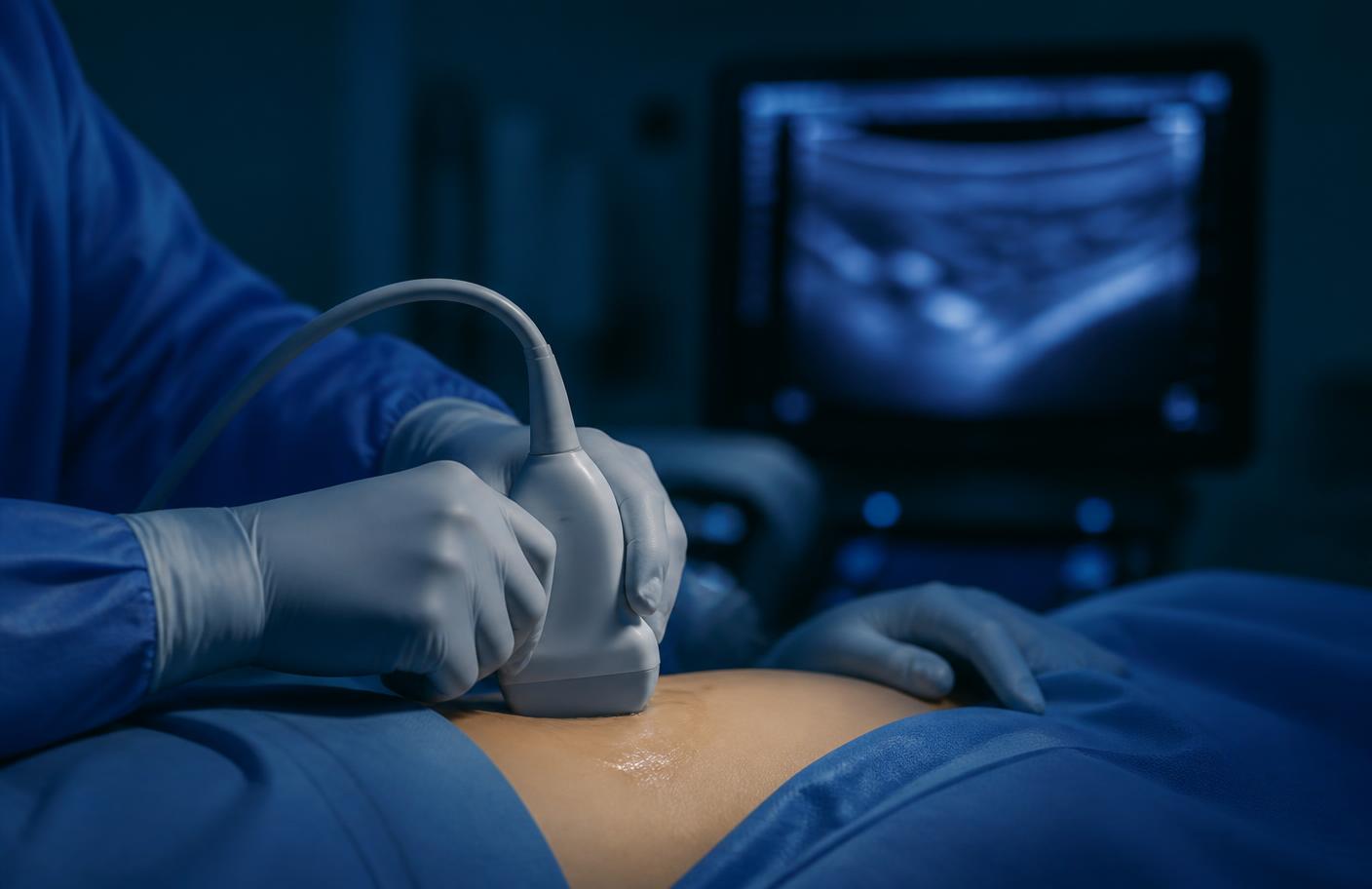
Gloved hands guiding an ultrasound probe during an image-guided pain procedure

Interventional Pain Management

Precision, image-guided procedures — including neurolytic and celiac plexus blocks — that interrupt pain at its source.

Commonly treated

  • Pancreatic and upper abdominal cancer pain (celiac plexus block)
  • Spine, sacroiliac and joint pain amenable to targeted blocks
  • Nerve plexus pain requiring sympathetic or neurolytic block
A family member gently holding an elderly patient's hand at a sunlit bedside

Palliative & Supportive Care

Whole-person care that runs alongside cancer treatment — relieving symptoms, restoring function and supporting families.

Commonly treated

  • Pain with multiple co-existing symptoms
  • Breathlessness, nausea, vomiting and constipation
  • Fatigue, poor appetite, disturbed sleep and anxiety
A weekly pill organiser and clinician's notebook arranged on a pale surface

Opioid Management & Multimodal Analgesia

Safe, rational use of strong analgesics combined with opioid-sparing strategies for better relief and fewer side effects.

Commonly treated

  • Moderate to severe cancer pain requiring strong analgesics
  • Opioid side effects needing dose review, rotation or route change
  • Breakthrough pain despite regular medication
Illustration of glowing nerve fibres branching across a deep navy background

Neuropathic Pain

Treatment of burning, shooting, electric or numb pain arising from nerve injury or nerve invasion.

Commonly treated

  • Chemotherapy-induced peripheral neuropathy
  • Post-mastectomy, post-thoracotomy and post-surgical nerve pain
  • Post-herpetic neuralgia and trigeminal neuralgia
A bright, immaculate post-operative recovery room beside a large sunlit window

Post-Operative & Acute Pain Services

Structured acute pain care — including epidural analgesia and regional blocks — for faster, safer recovery after surgery.

Commonly treated

  • Pain after major abdominal, thoracic and cancer surgery
  • High opioid requirement or opioid tolerance before surgery
  • Acute pain flares needing rapid, structured control
  • Risk of pain persisting long after the operation

Why patients travel to Dr. Jain

Senior-most pain & palliative care physician in India

Formerly Professor & Head, Division of Pain, Dept. of Anesthesiology, Critical Care & Pain, Tata Memorial Centre, Mumbai — with international teaching and fellowship experience at MSKCC, New York and Johns Hopkins, Baltimore.

30+
Years in pain & palliative medicine
90+
Research publications
300+
Invited lectures & orations
30
Countries lectured in

What to expect

From first consultation to follow-up

Nothing is rushed and nothing is left vague — you leave with a written plan and a clear next review.

  1. Step 1

    Assessment

    An unhurried consultation: pain history, examination and review of your reports.

  2. Step 2

    Diagnosis

    The type and source of pain named clearly, in language you can act on.

  3. Step 3

    Treatment plan

    A written plan — what to take when, and what to do if pain breaks through.

  4. Step 4

    Follow-up

    Planned review to refine doses, reduce side effects and add procedures if needed.

A clinician's hand resting reassuringly on a seated patient's arm in a sunlit consultation room

Speciality 01

Cancer Pain Management

What is it?

Cancer pain is pain caused either by the cancer itself or by the treatment given for it. It can be a dull ache, a pressure, a cramp or a burning nerve pain — and often more than one type at the same time. Almost all cancer pain can be reduced substantially with the right combination of medicines and procedures.

When to see a specialist

  • Pain that continues despite the painkillers you have been given
  • Pain that disturbs sleep, appetite, walking or daily activity
  • Painkillers causing drowsiness, constipation, nausea or confusion
  • New, rapidly worsening or sharply localised pain during treatment

Conditions treated

  • Pain from tumour pressure on tissue, bone or nerves
  • Pancreatic and upper abdominal cancer pain
  • Bone metastasis pain
  • Pain after cancer surgery, chemotherapy or radiotherapy

Treatment approach

  • Detailed pain history, examination and review of scans and reports
  • Layered medication: simple analgesics, nerve-pain medicines, titrated opioids
  • Image-guided nerve blocks when medicines alone are insufficient
  • Coordination with your oncology team so plans do not conflict

Who may benefit

  • Patients under active cancer treatment with moderate to severe pain
  • Survivors with persistent pain after surgery, chemotherapy or radiation
  • Patients whose current painkillers are not working or cause side effects
  • Families seeking a second opinion on a complex pain problem
Read Dr. Jain’s full clinical note on Cancer Pain Management

Cancer pain is rarely one single problem. It may come from a tumour pressing on tissue or nerves, from surgery, from chemotherapy or radiotherapy, or from long periods of reduced movement. Dr. Jain begins with a detailed pain assessment — where it hurts, how it behaves through the day, what worsens it, and how it affects sleep, appetite and mood. Treatment is then built in layers: simple analgesics, nerve-pain medicines, carefully titrated opioids where indicated, and interventional procedures when medicines alone are not enough or cause troublesome side effects. As lead author of national cancer pain guidelines, his approach follows evidence rather than habit.

Gloved hands guiding an ultrasound probe during an image-guided pain procedure

Speciality 02

Interventional Pain Management

What is it?

An interventional procedure treats pain at the exact nerve that is carrying it, instead of sending medicine through the whole body. Using ultrasound, X-ray or CT guidance, a very small amount of medicine is placed precisely at that nerve — so relief is often better and tablets can be reduced.

When to see a specialist

  • Pain that persists at maximum tolerated doses of medication
  • Side effects that make higher medicine doses impossible
  • Pain concentrated in one region, nerve or joint
  • Upper abdominal or pancreatic cancer pain

Conditions treated

  • Pancreatic and upper abdominal cancer pain (celiac plexus block)
  • Spine, sacroiliac and joint pain amenable to targeted blocks
  • Nerve plexus pain requiring sympathetic or neurolytic block
  • Pain needing epidural, intrathecal or radiofrequency treatment

Treatment approach

  • Assessment to confirm which nerve or structure is generating the pain
  • Diagnostic block first where useful, then a longer-acting procedure
  • Ultrasound, fluoroscopy or CT guidance for accuracy and safety
  • Day-care procedure under local anaesthesia with light sedation

Who may benefit

  • Pancreatic or upper abdominal cancer pain (celiac plexus block)
  • Pain that persists despite maximum tolerated medication
  • Patients troubled by drowsiness, constipation or nausea from opioids
  • Localised nerve, spine or joint pain amenable to targeted blocks
Read Dr. Jain’s full clinical note on Interventional Pain Management

Interventional pain procedures deliver a small, accurate dose of medicine directly to the nerve or nerve bundle carrying pain signals, guided by ultrasound, fluoroscopy or CT. Because the medicine acts where the pain begins, patients often need far fewer tablets afterwards. Procedures include neurolytic celiac plexus block for upper abdominal and pancreatic cancer pain, sympathetic and plexus blocks, epidural and intrathecal techniques, radiofrequency treatments and joint or soft-tissue injections. Most are day-care procedures done under local anaesthesia with light sedation, and you are counselled fully about benefit, duration and risk before consenting.

A family member gently holding an elderly patient's hand at a sunlit bedside

Speciality 03

Palliative & Supportive Care

What is it?

Palliative and supportive care is treatment aimed at how you feel day to day — pain, breathlessness, nausea, appetite, sleep and energy — while your cancer treatment continues. It is not a last resort; started early, it helps patients tolerate treatment better and live more fully.

When to see a specialist

  • Symptoms such as breathlessness, nausea, fatigue or poor appetite
  • Difficulty coping with the demands of ongoing treatment
  • Caregivers unsure how to give medicines safely at home
  • Decisions about treatment that need to weigh quality of life

Conditions treated

  • Pain with multiple co-existing symptoms
  • Breathlessness, nausea, vomiting and constipation
  • Fatigue, poor appetite, disturbed sleep and anxiety
  • Caregiver burden and home-care medication safety

Treatment approach

  • Structured symptom review, not pain alone
  • Medicines simplified and timed around daily routine
  • Practical caregiver guidance, written in plain language
  • Shared decisions with your oncologist and family

Who may benefit

  • Patients at any stage of cancer with troubling symptoms
  • Families needing guidance on home care and medication safety
  • Patients balancing treatment decisions with quality of life
  • Those needing coordinated care between oncology and pain teams
Read Dr. Jain’s full clinical note on Palliative & Supportive Care

Palliative care is not the end of treatment; it is the part of treatment that protects quality of life. It addresses pain, breathlessness, nausea, fatigue, poor appetite, constipation, anxiety and sleeplessness, and it makes room for honest conversations about what matters most to a patient. Started early, alongside oncology care, it helps patients tolerate treatment better and stay active with their families for longer. Dr. Jain works closely with oncologists, nurses and caregivers so that decisions are shared rather than fragmented.


A weekly pill organiser and clinician's notebook arranged on a pale surface

Speciality 04

Opioid Management & Multimodal Analgesia

What is it?

Multimodal analgesia means using two or three medicines that work through different pathways, so each can be given at a lower dose with fewer side effects. Where a strong medicine such as morphine is genuinely needed, it is prescribed carefully, monitored and reviewed — not simply increased.

When to see a specialist

  • You have just been started on morphine or another strong analgesic
  • Doses keep increasing without a matching gain in comfort
  • Constipation, drowsiness, nausea or fear about opioid use
  • You want a second opinion on whether your prescription is right

Conditions treated

  • Moderate to severe cancer pain requiring strong analgesics
  • Opioid side effects needing dose review, rotation or route change
  • Breakthrough pain despite regular medication
  • Post-surgical pain requiring opioid-sparing control

Treatment approach

  • Review of every current medicine, dose and timing
  • Combination therapy so each drug works at a lower dose
  • Bowel regimen and clear rescue-dose instructions from day one
  • Rotation, route change or a procedure to reduce total opioid load

Who may benefit

  • Patients newly started on morphine or other strong analgesics
  • Anyone experiencing side effects or fear about opioid use
  • Patients needing dose review, rotation or a switch of route
  • Post-surgical patients requiring opioid-sparing pain control
Read Dr. Jain’s full clinical note on Opioid Management & Multimodal Analgesia

Strong pain medicines are safe and effective when prescribed and monitored properly — and dangerous only when they are not. Dr. Jain uses multimodal analgesia: combining medicines that act through different pathways so that each can be used at a lower dose. Opioids, when needed, are started at appropriate doses, titrated to effect, and paired from day one with a bowel regimen and clear rescue-dose instructions. Rotation between opioids, route changes, and interventional procedures are used to reduce total opioid burden. Families receive written guidance on storage, timing and what to do if pain breaks through.

Illustration of glowing nerve fibres branching across a deep navy background

Speciality 05

Neuropathic Pain

What is it?

Neuropathic pain comes from an injured or irritated nerve rather than from damaged tissue. It feels burning, tingling, electric or numb, and can be set off by something as light as clothing. Ordinary painkillers often disappoint, because this pain needs medicines that quiet nerve signalling.

When to see a specialist

  • Burning, shooting, electric or pins-and-needles pain
  • Pain triggered by light touch, cloth or a cool breeze
  • Numbness or weakness alongside the pain
  • Nerve pain that has not responded to ordinary painkillers

Conditions treated

  • Chemotherapy-induced peripheral neuropathy
  • Post-mastectomy, post-thoracotomy and post-surgical nerve pain
  • Post-herpetic neuralgia and trigeminal neuralgia
  • Diabetic and radiation-related nerve pain

Treatment approach

  • Careful mapping of the affected nerve and pain character
  • Medicines that calm overactive nerve signalling, titrated gradually
  • Topical agents and structured physiotherapy for function
  • Nerve blocks or radiofrequency treatment in selected patients

Who may benefit

  • Chemotherapy-induced peripheral neuropathy
  • Post-mastectomy, post-thoracotomy and post-surgical nerve pain
  • Post-herpetic neuralgia and trigeminal neuralgia
  • Diabetic and radiation-related nerve pain
Read Dr. Jain’s full clinical note on Neuropathic Pain

Nerve pain feels different from ordinary pain: burning, tingling, shock-like or oddly numb, sometimes triggered by the light touch of clothing. It follows chemotherapy-induced neuropathy, radiation fibrosis, surgical nerve injury, tumour invasion of a nerve plexus, shingles, or diabetes. Standard painkillers often disappoint here. Effective treatment uses medicines that calm overactive nerve signalling, topical agents, structured physiotherapy and — in selected patients — nerve blocks or radiofrequency procedures. Expectations are set honestly: the goal is meaningful, steady improvement in function and sleep.

A bright, immaculate post-operative recovery room beside a large sunlit window

Speciality 06

Post-Operative & Acute Pain Services

What is it?

Acute pain service means planning your pain relief before surgery rather than reacting to it afterwards. With an epidural or regional block and a clear medication plan, most patients sit up, breathe deeply and walk sooner — which is what actually shortens recovery.

When to see a specialist

  • You are planning major abdominal, chest or cancer surgery
  • Pain was poorly controlled after a previous operation
  • You already take strong painkillers and need a surgical plan
  • You want to discuss epidural or regional anaesthesia options

Conditions treated

  • Pain after major abdominal, thoracic and cancer surgery
  • High opioid requirement or opioid tolerance before surgery
  • Acute pain flares needing rapid, structured control
  • Risk of pain persisting long after the operation

Treatment approach

  • Pre-operative discussion and a written analgesia plan
  • Epidural, regional block or nerve catheter where appropriate
  • Pain scored regularly, like any other vital sign
  • Clear escalation instructions for the ward team

Who may benefit

  • Patients planning major abdominal, thoracic or cancer surgery
  • Those with previous poor pain control or high opioid needs
  • Patients wanting epidural or regional anaesthesia guidance
  • Hospitals and teams building an acute pain service
Read Dr. Jain’s full clinical note on Post-Operative & Acute Pain Services

Well-controlled pain after surgery is not a luxury: it allows earlier walking and deep breathing, reduces chest infections and clots, shortens hospital stay and lowers the chance of long-term persistent pain. Dr. Jain helped establish and teach acute pain service protocols during more than three decades at Tata Memorial Hospital — pain scored regularly like any other vital sign, epidural and regional techniques used where appropriate, and clear escalation plans for nursing teams. The same principles guide his current practice for patients undergoing major cancer and general surgery.

Not sure what you need?

Not sure which speciality is right for you?

Your pain does not always fit into one category. A specialist assessment can identify the source of pain and the most appropriate treatment.

Consult Dr. Jain

Consultation locations in Mumbai

Both hospitals are equipped for interventional pain procedures and palliative care support.

Sushrut Hospital

Chembur, Mumbai

365, Swastik Park, Chembur (East), Mumbai – 400071

Consultations and image-guided interventional pain procedures, as part of Dr. Advani's team.

Gleneagles Hospital

Parel, Mumbai

35, Dr. E Borges Road, Hospital Avenue, Opp. Shirodkar High School, Parel, Mumbai – 400012

Consultations for cancer pain, neuropathic pain and palliative care.

Appointments by phone: +91 90046 45386

  • Dr. Parmanand N. Jain
  • MD Anesthesiology
  • MNAMS · FAMS 2020
  • FICA · FIAPM · FOAPM
  • Formerly Professor & Head, Division of Pain, Tata Memorial Centre
  • President, Indian Pain Society 2011–12
Appointments open

Need Expert Care for Pain?

Consult Dr. P. N. Jain for personalized Pain & Palliative Medicine care.