
Interventional Pain
Are Nerve Blocks Safe? Risks and Realities
Dr. Parmanand Jain, MD, MNAMS2 April 20266 min read4.1k views
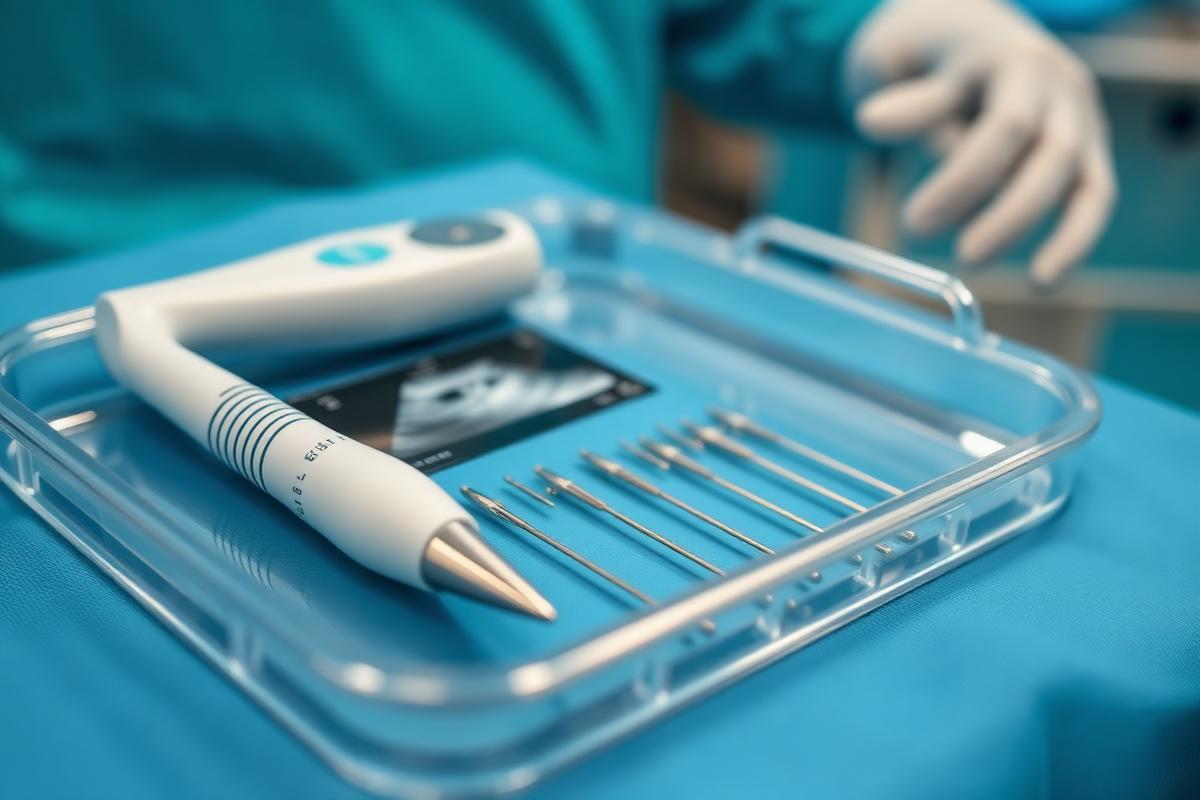
A professional overview of the safety profile and potential side effects of interventional nerve blocks in modern pain management practice.
Patients frequently express concern when a nerve block is suggested as part of their treatment plan. This anxiety is understandable, yet it is important to recognise that nerve blocks are amongst the most researched and routinely performed interventional procedures in modern medicine. When we speak of safety in this context, we refer to the balance between the intended therapeutic benefit and the statistical probability of adverse events. In the hands of an experienced pain specialist, these procedures are precise, targeted interventions designed to interrupt pain signals with minimal disruption to the rest of the body.
Understanding the Procedure
A nerve block involves the injection of a local anaesthetic, sometimes combined with a corticosteroid or other agents, near a specific nerve or group of nerves. The primary goal is to provide immediate relief by 'switching off' the pain pathway. This may be used for diagnostic purposes, to confirm the source of pain, or for therapeutic reasons to provide long-term comfort. Modern technology has significantly enhanced the safety of these interventions through the use of real-time imaging, such as fluoroscopy or ultrasound, which allows the clinician to visualise the needle tip and surrounding anatomy with extreme precision.
Common Side Effects and Realities
It is common to experience minor, transient side effects following a nerve block. These are generally not considered complications but rather expected physiological responses to the procedure. Patients may notice a temporary sensation of heaviness or numbness in the limb or area served by the nerve, which usually resolves as the anaesthetic wears off. Occasionally, there might be slight soreness at the injection site or a brief increase in pain before the medication begins to take full effect. These occurrences are manageable and typically resolve within twenty-four to forty-eight hours with simple rest.
- Temporary numbness or tingling in the treated area.
- Mild bruising or tenderness at the site of needle entry.
- A feeling of warmth due to increased blood flow.
Assessing the Risks
While the safety profile is excellent, no medical procedure is entirely without risk. The potential complications of nerve blocks are rare but must be discussed for informed consent. These include infection, localised bleeding, or an accidental puncture of a nearby structure. The risk of permanent nerve damage is exceedingly low, estimated at less than one in ten thousand cases in most clinical audits. In a controlled hospital setting, precautions such as sterile techniques and advanced monitoring are standard protocols to mitigate these risks and ensure the highest levels of patient safety throughout the intervention.
Patient Selection and Safety Protocols
Safety is not merely about the technique used during the injection; it begins with thorough patient selection and assessment. Before recommending a nerve block, a specialist reviews the patient’s medical history, current medications, and any underlying conditions like diabetes or bleeding disorders. For instance, patients on blood-thinning medications may need to pause their treatment temporarily. This meticulous preparation ensures that the procedure is not only effective but tailored to the individual’s physiological requirements, thereby reducing the likelihood of any unforeseen complications.
- Review of all current medications and allergies.
- Assessment of coagulation status if required.
- Evaluation of the specific pain pathology through imaging.
The Role of Technology in Safety
The transition from 'blind' injections to image-guided interventions has revolutionised the field of pain medicine. By using high-resolution ultrasound or X-ray guidance, we can avoid blood vessels and vital organs, ensuring the medication is deposited exactly where it is needed. This precision reduces the volume of medication required, which in turn lowers the risk of systemic side effects. Furthermore, the use of specialized needles designed for nerve work helps in identifying the exact location of the nerve through sensory or motor stimulation, providing an extra layer of diagnostic certainty and procedural safety.
Long-term Outlook and Recovery
The 'reality' of nerve blocks is that they are often a bridge to better function. By reducing severe pain, these procedures allow patients to participate more effectively in physical therapy and rehabilitation, which are crucial for long-term recovery. Most patients can return to their light daily activities on the day following the procedure. It is essential to maintain realistic expectations; while a nerve block can provide significant relief, it is often one component of a broader, multi-modal pain management strategy that includes medication, lifestyle adjustments, and psychological support.
Professional Consultation
If you are suffering from chronic or acute pain that has not responded to conservative treatments, a consultation with a qualified pain specialist is the most appropriate next step. They can provide a comprehensive evaluation to determine if an interventional nerve block is a suitable and safe option for your specific condition. It is vital to seek care from a practitioner who is specifically trained in pain medicine and operates within a dedicated clinical environment, ensuring that your journey towards pain relief is managed with the highest standards of medical expertise and compassion.
Previous articlePreparing for a Pain Procedure: A Practical ChecklistNext article Spinal Cord Stimulation: Who Is It For?Speak to a pain specialist
Dr. Parmanand Jain consults at Sushrut Hospital, Chembur, Mumbai. Appointments for patients from Mumbai, Navi Mumbai, Thane and across India.
+91 99676 60429