
Interventional Pain
Preparing for a Pain Procedure: A Practical Checklist
Dr. Parmanand Jain, MD, MNAMS7 April 20266 min read21.8k views
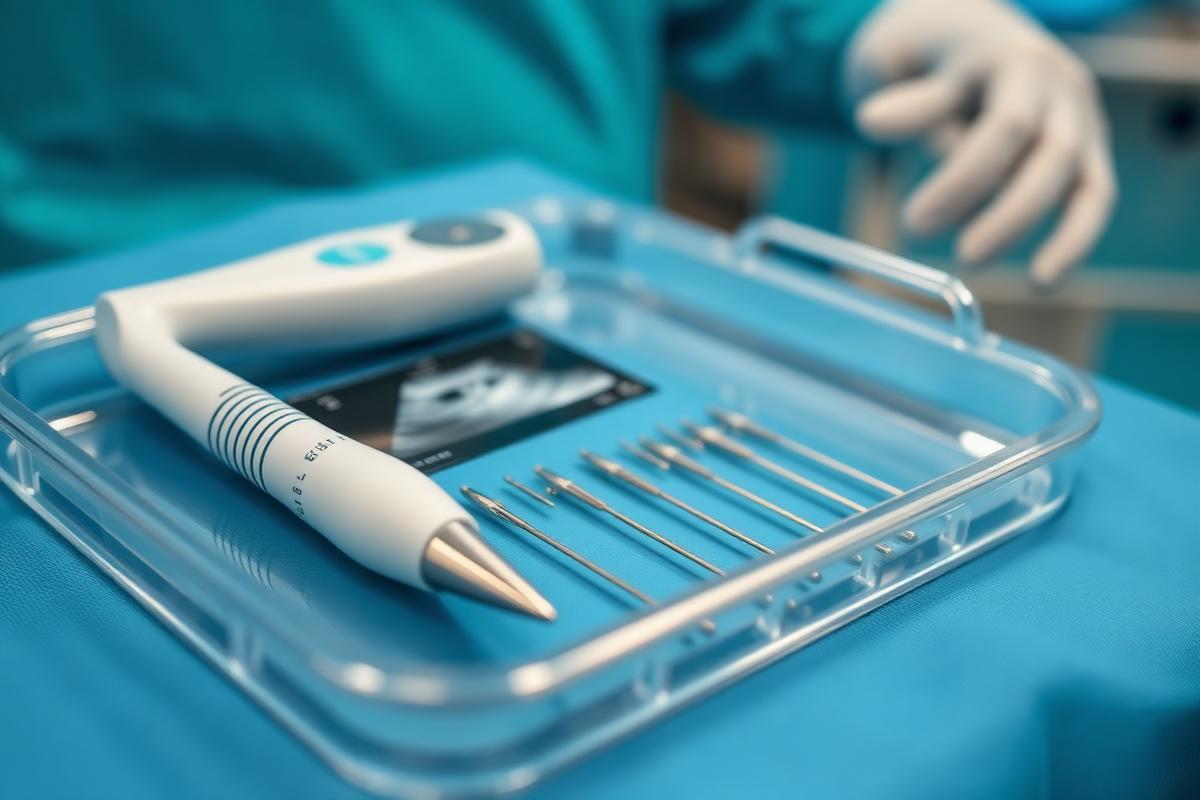
A professional guide for patients undergoing interventional pain procedures, covering medication adjustments, fasting protocols, and recovery expectations in an Indian clinical setting.
Undergoing an interventional pain procedure can be a source of anxiety for many patients, yet these minimally invasive techniques are essential tools for managing chronic discomfort. Whether you are scheduled for an epidural injection, a nerve block, or a radiofrequency ablation, proper preparation ensures both the safety of the procedure and the effectiveness of the outcome. In our clinical practice, we focus on a collaborative approach where the patient is well-informed about every step, from the initial consultation to the recovery period. This checklist is designed to help you navigate the process with confidence and clarity, ensuring your journey toward better pain management is as smooth as possible.
Understanding the Procedure
Before your scheduled date, it is vital to have a clear understanding of the specific intervention planned for you. These procedures are typically performed under fluoroscopic or ultrasound guidance to ensure precision and safety. You should feel comfortable asking your physician about the expected benefits, potential risks, and the duration of the relief you might experience. It is important to remember that interventional treatments are often one component of a broader multi-modal plan that includes physiotherapy and medication. Knowing the 'why' and 'how' of your treatment helps in aligning your expectations and reduces the physiological stress often associated with medical interventions.
Medication and Health History
One of the most critical aspects of preparation involves the management of your current medications. Certain drugs, particularly blood thinners or anti-platelet agents, may need to be paused for several days prior to the procedure to prevent bleeding complications at the injection site. However, you must never stop these medications without direct instruction from your pain specialist or cardiologist. Similarly, if you are diabetic, your insulin or oral hypoglycaemic dosages may require adjustment due to the fasting requirements. Inform your doctor of any recent infections, fevers, or antibiotic courses, as these may necessitate rescheduling the procedure until your health has fully stabilised.
- Provide a complete list of all current medications including herbal supplements.
- Mention any history of allergies, particularly to iodine, contrast dye, or local anaesthetics.
- Disclose if you have a pacemaker or any other implanted medical device.
On the Day of the Procedure
On the morning of your treatment, you will likely be asked to follow specific fasting instructions, typically avoiding solid food for six hours prior to the appointment. Small sips of clear water are usually permissible up until two hours before the procedure, but this should be confirmed with your clinical team. Wear loose, comfortable clothing and leave all jewellery and valuables at home. You should arrange for a responsible adult to accompany you and drive you home, as the use of local anaesthetics or mild sedation can impair your reflexes and judgement for several hours. Arriving at the hospital early will allow you to complete the necessary paperwork and settle into the environment calmly.
The Recovery Period
After the procedure, you will be monitored in a recovery area for a period ranging from thirty minutes to two hours. It is common to feel a temporary numbness or a slight increase in soreness at the injection site as the local anaesthetic wears off. We advise patients to rest for the remainder of the day and avoid any strenuous activity or heavy lifting for at least forty-eight hours. While some individuals experience immediate relief, others may find that the full therapeutic effect takes several days to manifest. Applying a cold pack to the site of the injection can help manage minor localised discomfort during the first day of recovery.
- Avoid driving or operating heavy machinery for at least 24 hours.
- Resume your normal diet unless otherwise instructed by the nursing staff.
- Keep the dressing clean and dry for the duration recommended by your doctor.
Monitoring Your Progress
We encourage all patients to maintain a pain diary in the days following their intervention. Note any changes in the intensity of your pain, the duration of relief, and any improvements in your ability to perform daily tasks. This information is invaluable during your follow-up consultation, as it helps your specialist determine the success of the block and plan subsequent steps in your treatment. If you experience a significant increase in pain, redness at the injection site, or a new onset of weakness or fever, you should contact the clinic immediately. Clear communication during the post-procedural phase is the cornerstone of effective long-term pain management.
When to Consult a Specialist
Interventional pain management is a specialised field that requires a nuanced understanding of spinal anatomy and neural pathways. If you find that your chronic pain is no longer responding to conventional medications or if your quality of life is significantly diminished by physical limitations, it may be time to consult a pain specialist. A formal evaluation allows for a precise diagnosis and the development of a tailored interventional strategy. By following this practical checklist and working closely with a qualified physician, you can take a proactive role in your health, ensuring that your pain management plan is both safe and effective.
 Previous articleWhen Should a Cancer Patient See a Pain Specialist?Next article Are Nerve Blocks Safe? Risks and Realities
Speak to a pain specialist
Dr. Parmanand Jain consults at Sushrut Hospital, Chembur, Mumbai. Appointments for patients from Mumbai, Navi Mumbai, Thane and across India.
+91 99676 60429