
Interventional Pain
Spinal Cord Stimulation: Who Is It For?
Dr. Parmanand Jain, MD, MNAMS25 March 20266 min read3.0k views
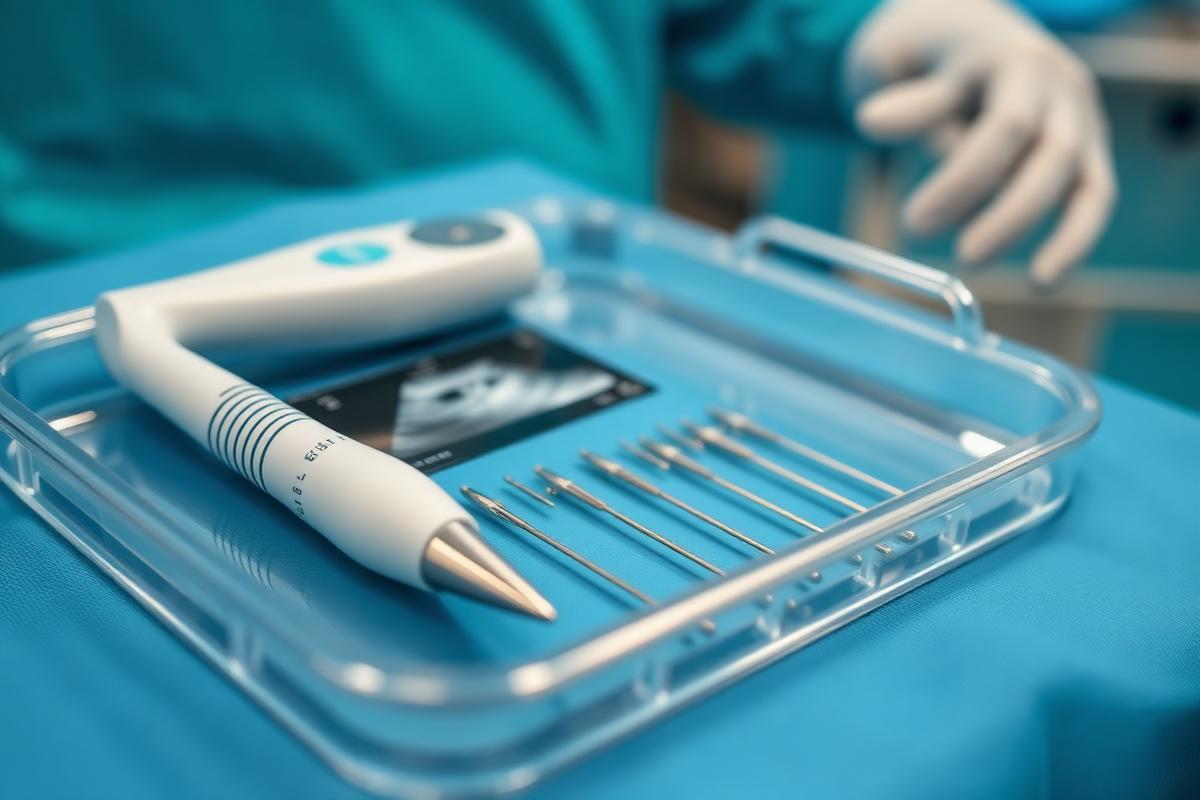
A professional guide to Spinal Cord Stimulation for chronic pain, detailing patient selection, the two-stage trial process, and management of complex nerve conditions.
Spinal cord stimulation is a sophisticated interventional therapy designed for patients suffering from chronic, intractable pain that has not responded to conventional medical management. Unlike many surgical interventions that aim to correct a structural defect, this technology focuses on modulating the electrical signals within the nervous system. By delivering precisely controlled electrical pulses to the spinal cord, we can alter the way the brain perceives pain, often replacing sharp or burning sensations with a gentle tingling or simply reducing the overall intensity of the discomfort to a more manageable level.
Understanding the Mechanism
The therapy involves placing thin electrodes in the epidural space, which are then connected to a small pulse generator. In the Indian clinical context, we often describe this to patients as a pacemaker for pain. It works based on the Gate Control Theory, where stimulating large-diameter nerve fibres can effectively close the gate to pain signals travelling from the periphery to the brain. This does not cure the underlying cause of the pain, such as nerve damage or failed surgery, but it provides a significant functional improvement for those who have exhausted other options like medication and physiotherapy.
Typical Candidate Profiles
We consider spinal cord stimulation for a specific subset of patients who have clearly defined neuropathic pain. The most common indication is Failed Back Surgery Syndrome, where a patient continues to experience significant leg and back pain despite technically successful spinal operations. Other candidates include those suffering from Complex Regional Pain Syndrome, chronic radiculopathy, and certain types of peripheral ischaemic pain that do not involve major vascular blockages. The primary goal is always to improve quality of life and reduce reliance on high-dose analgesics, particularly opioids.
- Patients with persistent leg pain following lumbar surgery.
- Individuals diagnosed with Complex Regional Pain Syndrome (CRPS) who are unresponsive to physical therapy.
- Patients with refractory angina or painful diabetic neuropathy.
The Importance of the Trial Phase
One of the unique advantages of spinal cord stimulation is the ability to conduct a trial before committing to a permanent implant. This trial usually lasts for five to seven days, during which the patient uses an external stimulator to assess how much relief is achieved during their daily activities. We look for at least a fifty percent reduction in pain intensity and an improvement in sleep or mobility. If the trial is successful, we then proceed to the permanent implantation of the device, ensuring that the patient is already confident in the therapy's effectiveness.
Evaluation and Exclusion Criteria
Not every patient with chronic pain is a candidate for this procedure. A thorough multidisciplinary evaluation is essential, including a psychological assessment to ensure the patient has realistic expectations and no untreated clinical depression or anxiety that might interfere with the outcome. We also screen for physical contraindications such as active infections, bleeding disorders, or structural spinal abnormalities that would prevent the safe placement of the leads. Patient motivation and the ability to operate the programmer are also critical factors in our selection process.
Risks and Maintenance
While generally safe, as with any interventional procedure, there are inherent risks including infection, lead migration, or hardware failure. Modern devices are quite robust, but they do require regular follow-up to adjust settings as the patient's pain patterns evolve over time. Many newer systems are MRI-compatible and rechargeable, which has greatly increased their longevity and convenience for the patient. It is important to remember that the stimulator is one component of a broader pain management plan that still includes gentle exercise and proper posture.
- Regular follow-up appointments to calibrate the device.
- Monitoring for any signs of infection at the pulse generator site.
- Understanding the charging requirements for non-primary cell batteries.
Seeking Specialist Guidance
The decision to undergo spinal cord stimulation should be made in consultation with a senior pain specialist who has extensive experience in neuromodulation. If you find that your chronic nerve pain is preventing you from working or enjoying a basic quality of life despite months of conservative treatment, it may be time to discuss these advanced options. A specialist can help determine if your specific pain pattern is likely to respond to stimulation and guide you through the trial process to ensure the best possible long-term outcome for your physical and emotional well-being.
Previous articleAre Nerve Blocks Safe? Risks and RealitiesNext article What Happens at a Palliative Care Consultation
Speak to a pain specialist
Dr. Parmanand Jain consults at Sushrut Hospital, Chembur, Mumbai. Appointments for patients from Mumbai, Navi Mumbai, Thane and across India.
+91 99676 60429