
Interventional Pain
Trigeminal and Facial Pain Interventions
Dr. Parmanand Jain, MD, MNAMS14 April 20266 min read4.3k views
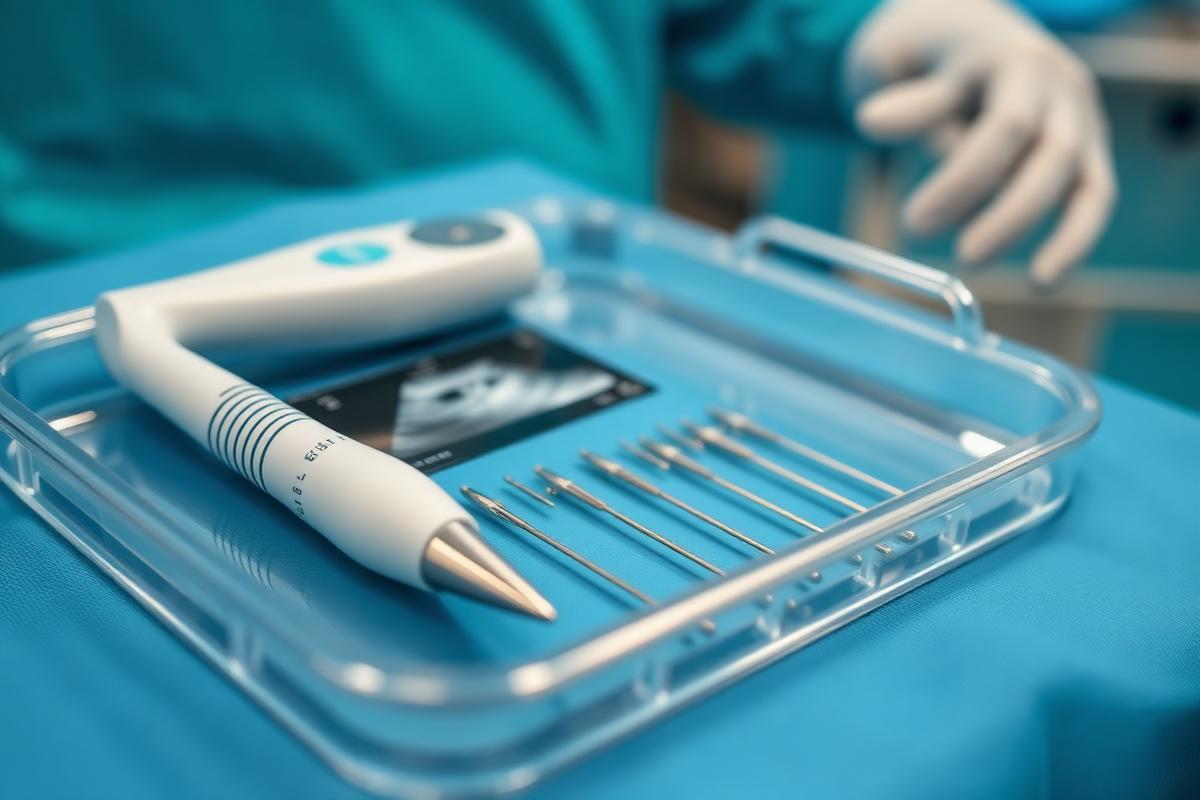
A professional guide to understanding advanced interventional treatments for trigeminal neuralgia and complex facial pain, focusing on minimally invasive relief strategies.
Facial pain, particularly when it originates from the trigeminal nerve, is often described as one of the most intense sensations a person can experience. While initial management typically begins with medications such as carbamazepine or gabapentin, many patients find that these drugs either become less effective over time or cause intolerable side effects like dizziness and cognitive fog. When conservative measures fail to provide an adequate quality of life, interventional pain management offers a spectrum of precise, minimally invasive procedures designed to interrupt the pain signals at their source, providing long-term relief without the need for major intracranial surgery.
Understanding Trigeminal Neuralgia
Trigeminal neuralgia is characterised by sudden, shock-like paroxysms of pain affecting one side of the face, often triggered by simple actions such as brushing teeth, speaking, or a light breeze. The condition usually arises from the compression of the trigeminal nerve by a blood vessel, leading to the wear and tear of the nerve's protective sheath. This causes the nerve to misfire, sending exaggerated pain signals to the brain. Beyond the classic neuralgia, other forms of facial pain may involve the temporomandibular joint, atypical facial pain syndromes, or post-herpetic neuralgia following a shingles outbreak, each requiring a tailored interventional approach.
Percutaneous Trigeminal Nerve Interventions
For patients who are not candidates for open neurosurgery or who prefer a less invasive route, percutaneous techniques are the mainstay of interventional treatment. These procedures are performed under local anaesthesia with mild sedation, using real-time X-ray guidance to ensure safety and precision. The goal is to reach the Gasserian ganglion, the main junction of the trigeminal nerve located at the base of the skull. By targeting this area, we can modulate how pain information is processed, effectively quieting the overactive nerve fibres responsible for the debilitating shocks.
- Radiofrequency Thermocoagulation: Using heat to create a small, controlled lesion on the nerve to block pain signals.
- Balloon Microcompression: A tiny balloon is inflated to mechanically compress the nerve fibres, particularly useful for pain in the ophthalmic division.
- Glycerol Rhizolysis: The injection of a small amount of sterile glycerol around the nerve ganglion to chemically disrupt pain transmission.
The Role of Radiofrequency Ablation
Radiofrequency ablation (RFA) is perhaps the most common intervention for refractory trigeminal neuralgia in the Indian clinical context. During this procedure, a specialised needle acts as an electrode to deliver thermal energy. In conventional RFA, a small heat lesion is created, which is highly effective but may result in some facial numbness. Alternatively, Pulsed Radiofrequency (PRF) can be used for other types of facial pain where the goal is neuromodulation rather than destruction. PRF delivers high-voltage bursts without excessive heat, offering a safer profile for certain delicate nerve branches where maintaining sensation is a priority.
Managing Atypical and Secondary Facial Pain
Not all facial pain originates from the trigeminal ganglion itself. Patients suffering from sphenopalatine neuralgia or cluster headaches may benefit from a Sphenopalatine Ganglion (SPG) block. The SPG is a complex collection of nerves located deep behind the nose that plays a significant role in autonomic facial pain. Interventions here can involve simple local anaesthetic blocks for diagnostic purposes or long-term radiofrequency neurotomy for chronic sufferers. Furthermore, glossopharyngeal neuralgia, which causes sharp pain in the throat and ear, can be treated with similar precision-guided injections at the base of the skull.
Safety and Recovery Expectations
Interventional procedures for facial pain are generally performed as day-care or short-stay cases. Because they are minimally invasive, the recovery period is brief, and most patients can return to their daily activities within a day or two. While these interventions are highly successful, they require a high degree of technical expertise to avoid complications such as bleeding, infection, or sensory loss. It is important to have realistic expectations; while many patients achieve complete pain freedom for several years, the nerve may occasionally regenerate, necessitating a repeat procedure or a adjustment in maintenance medication.
- Minimal recovery time compared to traditional microvascular decompression.
- High success rate in providing immediate relief from electric-shock sensations.
- Reduced reliance on systemic medications and their associated side effects.
When to Consult a Pain Specialist
If you find that your facial pain is no longer controlled by standard dosages of medication, or if the side effects are hindering your ability to function, it is time to seek a consultation with a specialist in Pain and Palliative Medicine. Early intervention can prevent the psychological distress associated with chronic, severe pain and stop the cycle of suffering. A comprehensive evaluation will determine whether your pain is suitable for a nerve block or radiofrequency procedure, ensuring a management plan that prioritises both your comfort and your long-term neurological health.
Previous articleVertebroplasty and Kyphoplasty for Spinal FracturesNext article When Should a Cancer Patient See a Pain Specialist?
Speak to a pain specialist
Dr. Parmanand Jain consults at Sushrut Hospital, Chembur, Mumbai. Appointments for patients from Mumbai, Navi Mumbai, Thane and across India.
+91 99676 60429