
Interventional Pain
Superior Hypogastric Plexus Block for Pelvic Cancer Pain
Dr. Parmanand Jain, MD, MNAMS23 April 20266 min read4.8k views
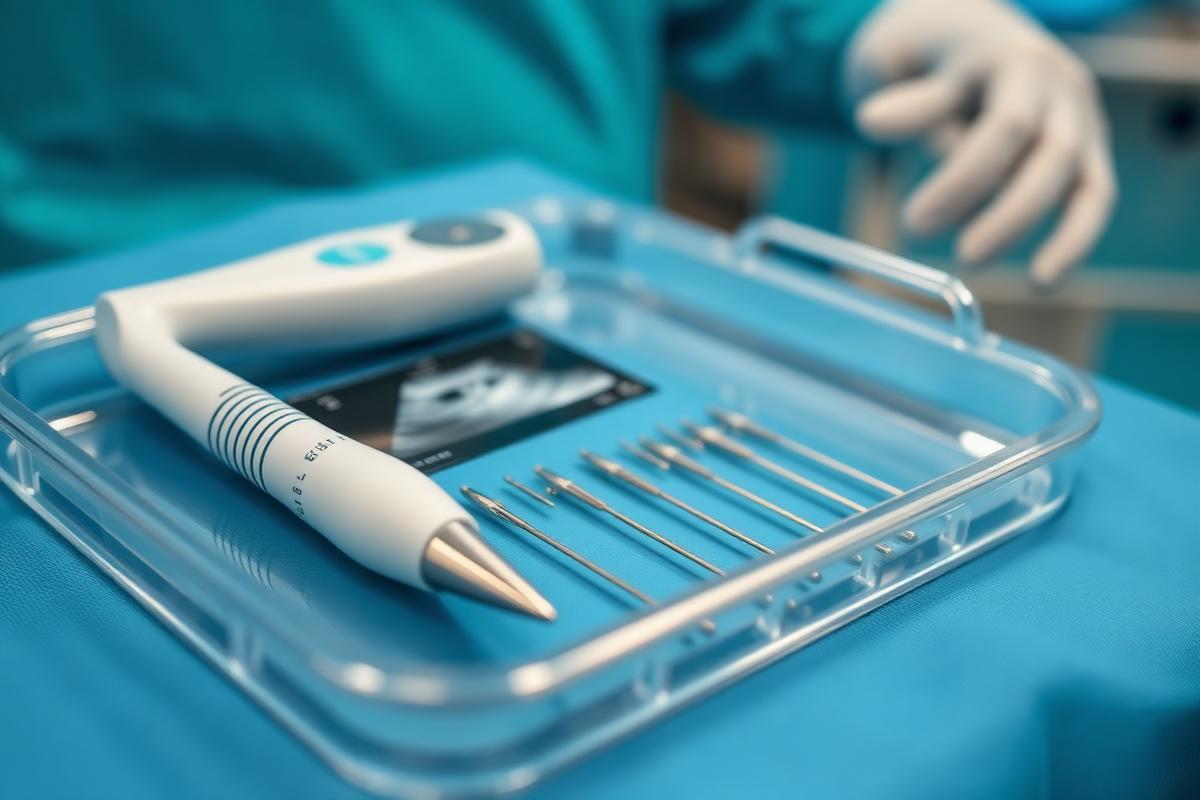
A guide to the Superior Hypogastric Plexus Block, a specialised interventional procedure designed to manage chronic pelvic pain associated with advanced cancers.
Pelvic pain resulting from gynaecological, urological, or colorectal malignancies can be particularly distressing and difficult to manage with oral medications alone. When tumours involve the pelvic organs such as the bladder, uterus, or rectum, they often stimulate a complex network of nerves known as the superior hypogastric plexus. This nerve bundle serves as a major relay station for pain signals originating in the pelvis. When conventional analgesics, including strong opioids, provide insufficient relief or cause intolerable side effects like severe sedation and constipation, interventional pain management techniques such as the superior hypogastric plexus block become a vital consideration in a comprehensive palliative care plan.
Understanding the Anatomy and Procedure
The superior hypogastric plexus is situated in front of the lower lumbar vertebrae and the upper sacrum. To reach this area, a pain specialist uses real-time imaging, typically fluoroscopy or sometimes computed tomography, to ensure precise needle placement. The procedure is performed under local anaesthesia with the patient lying prone. Two thin needles are carefully advanced from the back toward the space just in front of the fifth lumbar vertebra. Once the position is confirmed with a small amount of radio-opaque contrast dye, a local anaesthetic or a neurolytic agent like phenol or absolute alcohol is injected to interrupt the transmission of pain signals from the pelvic viscera.
Indications for the Intervention
This procedure is specifically indicated for patients experiencing visceral pelvic pain due to cancer. It is most effective when the pain is described as dull, aching, or poorly localised, rather than sharp or radiating pain caused by nerve root compression. Common conditions that respond well to this block include:
- Advanced cervical or uterine cancer
- Prostate or bladder malignancies
- Rectal or anal canal tumours
- Radiation-induced proctitis or cystitis
Benefits and Expected Outcomes
The primary goal of a superior hypogastric plexus block is to achieve significant pain reduction, thereby improving the patient's quality of life. For many, this intervention leads to a substantial decrease in the requirement for oral opioids, which in turn reduces associated side effects. While the initial diagnostic block using local anaesthetic may provide temporary relief for a few hours or days, a neurolytic block is intended to provide long-term relief lasting several months. This window of comfort allows patients to engage more fully in daily activities and improves the effectiveness of other palliative treatments.
Safety and Potential Side Effects
As with any interventional procedure, there are inherent risks, though they are relatively low when performed by an experienced specialist using image guidance. Patients may experience temporary soreness at the injection site or a transient drop in blood pressure. There is a small risk of affecting nearby structures, such as the ureters or blood vessels, which is why the use of contrast dye is mandatory. Some patients might notice a temporary change in bowel or bladder habits, but these effects are usually self-limiting and resolve within a short period as the body adjusts to the neural blockade.
Pre-Procedure Preparation
Before undergoing the block, patients must undergo a thorough clinical evaluation and review of recent imaging. It is essential to check blood coagulation profiles to ensure there is no increased risk of bleeding. Patients are usually advised to remain fasting for a few hours before the procedure, and any blood-thinning medications may need to be temporarily paused under medical supervision. The procedure itself typically takes about thirty to forty-five minutes, followed by a short period of observation in the recovery area to monitor vital signs and ensure the patient is comfortable before being discharged home.
When to Consult a Pain Specialist
Persistent pelvic pain should not be accepted as an inevitable part of a cancer diagnosis. If pain remains poorly controlled despite adhering to a prescribed medication schedule, or if the side effects of medications are significantly impacting your daily functioning, it is appropriate to request a consultation with a specialist in pain and palliative medicine. Early intervention with techniques like the superior hypogastric plexus block can prevent the cycle of chronic pain from becoming entrenched. A specialist can help determine if you are a suitable candidate for this procedure as part of a multi-disciplinary approach to comfort and care.
 Previous articleOpioids in Cancer Pain: Myths vs. FactsNext article Vertebroplasty and Kyphoplasty for Spinal Fractures
Speak to a pain specialist
Dr. Parmanand Jain consults at Sushrut Hospital, Chembur, Mumbai. Appointments for patients from Mumbai, Navi Mumbai, Thane and across India.
+91 99676 60429