
Interventional Pain
Ultrasound-Guided Nerve Blocks Explained
Dr. Parmanand Jain, MD, MNAMS14 May 20266 min read19.8k views
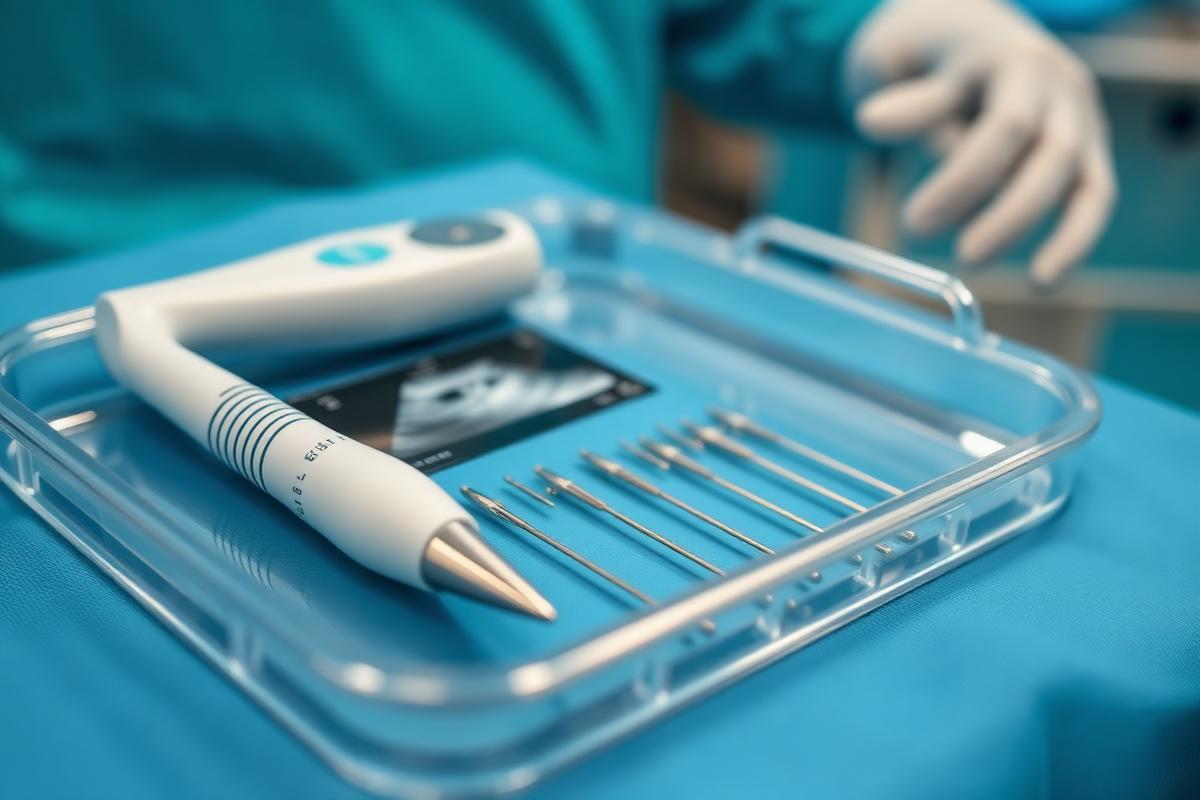
Learn how ultrasound technology allows pain specialists to deliver precise nerve treatments with enhanced safety and accuracy for chronic and acute pain conditions.
Precision is the cornerstone of modern interventional pain management. In the past, doctors relied primarily on anatomical landmarks or electrical stimulation to identify nerves. Today, ultrasound-guided nerve blocks have revolutionised the way we treat persistent pain. By using high-frequency sound waves to visualise internal structures in real-time, we can identify nerves, muscles, and blood vessels with exceptional clarity. This allows for the targeted delivery of medication directly to the source of pain, ensuring that the treatment is both safe and effective for patients who have not found relief through conventional oral medications.
The Evolution of Precision in Pain Care
Traditional methods of nerve localisation often relied on a physician's tactile sense or the patient's report of a tingling sensation, known as paresthesia. While these methods were standard for decades, they lacked the visual confirmation that ultrasound provides. With ultrasound guidance, we can see the needle tip as it approaches the target nerve, avoiding delicate structures like blood arteries or the pleura of the lungs. This visual feedback significantly reduces the risk of accidental vascular injection and improves the success rate of the block by ensuring the local anaesthetic or anti-inflammatory medication surrounds the nerve precisely as intended.
How Ultrasound Guidance Works
During the procedure, a small handheld device called a transducer is placed on the skin over the affected area. This device sends sound waves into the body, which bounce off internal tissues to create a live image on a monitor. The pain specialist uses this image to map the path to the nerve. Because ultrasound does not involve ionising radiation, it is safer for repeated use compared to X-ray or CT guidance. It also allows us to see 'soft tissues' such as tendons and ligaments, which are often invisible on traditional radiographs but may be contributing to the patient's pain experience.
Common Applications for Nerve Blocks
Ultrasound-guided blocks are versatile and can be used for various conditions across different regions of the body. They are particularly effective for both diagnostic purposes—to confirm if a specific nerve is the pain generator—and for therapeutic relief. Common sites for these interventions include:
- The stellate ganglion for complex regional pain syndrome in the upper limbs.
- The suprascapular nerve for chronic shoulder pain and adhesive capsulitis.
- The femoral or sciatic nerves for acute postoperative pain or chronic leg pain.
- The intercostal nerves for persistent pain following thoracic surgery or rib injuries.
Advantages of the Ultrasound Technique
One of the most significant benefits for the patient is the reduction in procedural discomfort. Because the physician can see the exact location of the needle, there is less need for repeated needle repositioning. Furthermore, the volume of medication required is often smaller because it is deposited exactly where it is needed. This direct approach minimises the systemic side effects of drugs. Additionally, the real-time nature of ultrasound allows the doctor to observe the spread of the injectate around the nerve, which provides immediate confirmation that the procedure has been technically successful.
The Procedure Experience and Safety
Patients often ask about what to expect during the session. The procedure is typically performed in an outpatient setting or a dedicated procedure room. The skin is cleaned with an antiseptic solution, and a local anaesthetic is used to numb the entry point. While you may feel some pressure, the use of ultrasound makes the process relatively quick, usually lasting between 15 to 30 minutes. Safety is paramount; by visualising the needle at all times, we minimise the risk of nerve injury or bleeding, making this an excellent option for patients who may be on certain blood-thinning medications or those with complex anatomy.
Recovery and Long-term Benefits
After the block, patients are monitored for a brief period before being allowed to go home. You may notice an immediate reduction in pain or a sensation of heaviness in the treated limb, which is a normal response to the anaesthetic. The duration of relief varies depending on the type of medication used—ranging from several hours of diagnostic information to several months of therapeutic relief when combined with other rehabilitation efforts. These blocks are often a 'window of opportunity' that allows patients to participate more effectively in physical therapy, which is essential for long-term recovery.
When to Consult a Pain Specialist
If you are suffering from chronic pain that has not responded to standard treatments, or if you are seeking an alternative to long-term opioid use, an ultrasound-guided nerve block may be an appropriate step. It is important to consult a qualified pain and palliative medicine specialist to determine if your specific condition is suitable for this intervention. A thorough clinical evaluation remains the first step in creating a tailored plan that addresses your unique needs and improves your quality of life through precise, evidence-based interventional care.
 Previous articleMucositis Pain During Chemotherapy and RadiotherapyNext article Managing Post-Surgical Pain: What Patients Should Know
Speak to a pain specialist
Dr. Parmanand Jain consults at Sushrut Hospital, Chembur, Mumbai. Appointments for patients from Mumbai, Navi Mumbai, Thane and across India.
+91 99676 60429