
Interventional Pain
Splanchnic Nerve Block: When and Why
Dr. Parmanand Jain, MD, MNAMS30 April 20266 min read14.6k views
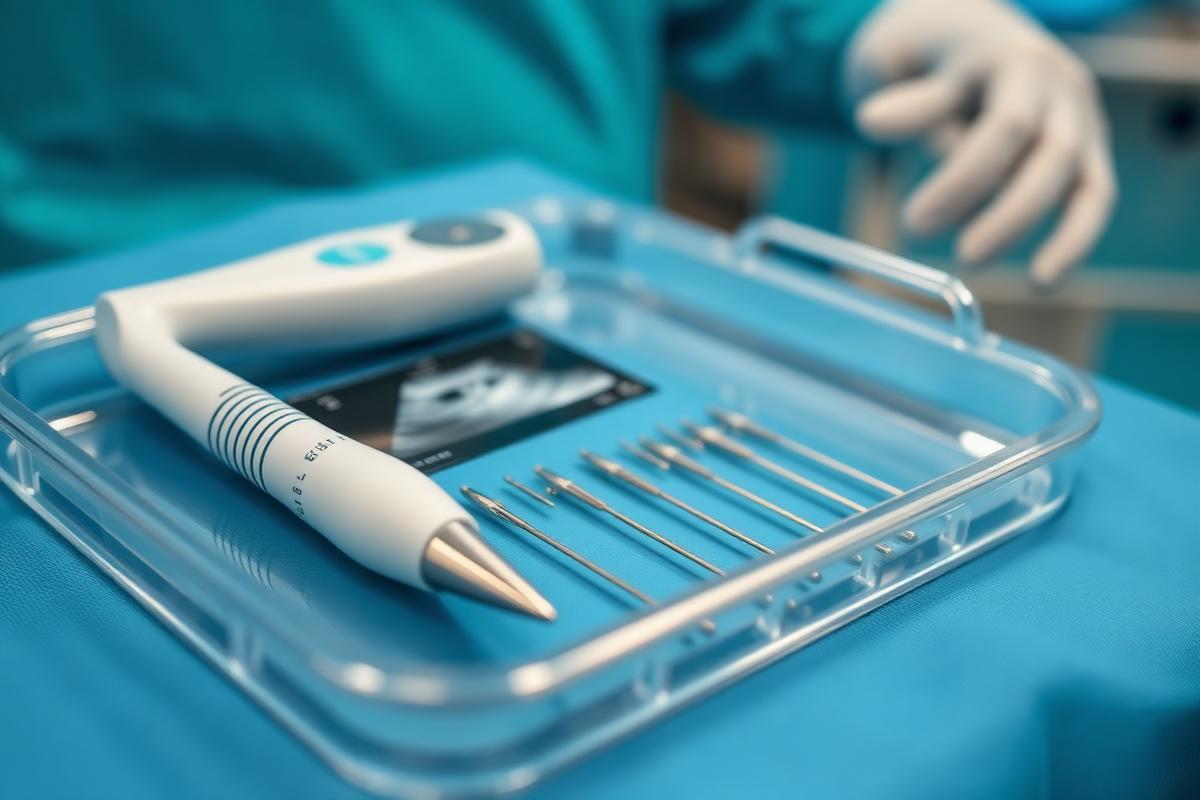
Learn how Splanchnic Nerve Block provides relief for upper abdominal pain caused by chronic conditions and cancer, explained by India's leading pain specialist.
Severe upper abdominal pain often stems from internal organs such as the pancreas, liver, and stomach. This pain is transmitted through a complex network of nerves called the splanchnic nerves, which reside on either side of the spine in the mid-back area. When conventional oral medications, including high-dose opioids, fail to provide adequate relief or cause intolerable side effects like extreme drowsiness and constipation, we look toward targeted interventions. A splanchnic nerve block is a specialised procedure designed to intercept these pain signals before they reach the brain, offering a significant improvement in the quality of life for patients suffering from intractable visceral pain.
Understanding the Anatomy and Procedure
The splanchnic nerves are part of the autonomic nervous system and are located deeper and slightly higher than the more commonly known celiac plexus. While the celiac plexus is often the first target for abdominal pain, anatomical distortions caused by tumours or previous surgeries can sometimes make it difficult to reach. In such cases, or when a celiac block has provided insufficient relief, the splanchnic nerves become the preferred site for intervention. These nerves are situated near the lower thoracic vertebrae, and targeting them allows us to bypass the abdominal environment entirely, ensuring the medication is delivered precisely where the nerves emerge from the spinal column.
The procedure is performed as a day-care intervention under local anaesthesia with mild sedation. Using real-time imaging, such as fluoroscopy or a CT scan, the physician guides a fine needle to the specific vertebral level. Once the position is confirmed with a small amount of contrast dye, a mixture of local anaesthetic and sometimes a steroid is injected. For patients with terminal illnesses, a neurolytic agent like alcohol or phenol may be used to provide long-lasting relief by permanently interrupting the nerve pathway. This precision ensures that the surrounding structures, including the major blood vessels and the spinal cord, remain unaffected.
Indications for Splanchnic Nerve Block
This intervention is primarily indicated for patients who experience deep, aching, or gnawing pain in the upper abdomen that may radiate to the back. It is a cornerstone of palliative care for those with advanced malignancies, but it also has a role in managing specific benign conditions. The decision to proceed is always based on the patient's individual clinical profile and the failure of conservative management strategies.
- Chronic pancreatitis where pain prevents normal digestion and sleep.
- Advanced pancreatic cancer or other upper gastrointestinal malignancies.
- Chronic abdominal pain syndromes that have not responded to pharmacotherapy.
- Pelvic or abdominal pain resulting from radiotherapy or surgical scarring.
The Benefits of Early Intervention
One of the most significant advantages of a splanchnic nerve block is the reduction in the total daily dose of systemic pain medications. High-dose opioids often lead to a 'foggy' mental state, severe nausea, and a complete loss of appetite, which can be just as debilitating as the pain itself. By providing regional analgesia, we allow the patient to regain mental clarity and physical comfort. Furthermore, performing this procedure earlier in the disease trajectory, rather than as a last resort, can prevent the central nervous system from becoming sensitised to chronic pain, making the overall management far more effective.
Risks and Post-Procedure Care
While the splanchnic nerve block is considered a safe procedure when performed by an experienced specialist, it is important to be aware of potential temporary side effects. Because these nerves also control certain aspects of the digestive system, some patients may experience a transient increase in bowel movements or a mild drop in blood pressure immediately following the injection. These symptoms are usually self-limiting and are monitored closely in the recovery area. We advise patients to rest for twenty-four hours and gradually resume their normal activities as their comfort levels improve.
- Temporary soreness at the site of the needle insertion.
- A feeling of warmth or fullness in the abdominal region.
- Mild lightheadedness when standing up quickly for the first day.
Expected Outcomes and Duration
The duration of pain relief varies depending on the type of block performed. A diagnostic or therapeutic block using local anaesthetics may last for several weeks, whereas a neurolytic block intended for cancer pain can provide relief for several months. It is important to understand that while the procedure significantly reduces pain, it is not a cure for the underlying disease. It serves as a powerful tool in a comprehensive treatment plan, enabling patients to engage better with their primary treatments, such as chemotherapy or physiotherapy, and to spend meaningful time with their families without the shadow of constant agony.
Selecting the Right Path for Relief
Deciding to undergo an interventional pain procedure is a collaborative process between the patient, their family, and the medical team. If you or a loved one is struggling with upper abdominal pain that is not well-controlled by tablets, or if the side effects of your current medications are becoming unmanageable, it is appropriate to seek a consultation with a pain and palliative medicine specialist. A thorough evaluation will determine if a splanchnic nerve block is the right step to restore comfort and dignity to your daily life.
Previous articleRadiofrequency Ablation for Chronic PainNext article Opioids in Cancer Pain: Myths vs. Facts
Speak to a pain specialist
Dr. Parmanand Jain consults at Sushrut Hospital, Chembur, Mumbai. Appointments for patients from Mumbai, Navi Mumbai, Thane and across India.
+91 99676 60429