
Opioid Management
Safe Storage and Disposal of Strong Pain Medicines
Dr. Parmanand Jain, MD, MNAMS28 December 20256 min read20.4k views
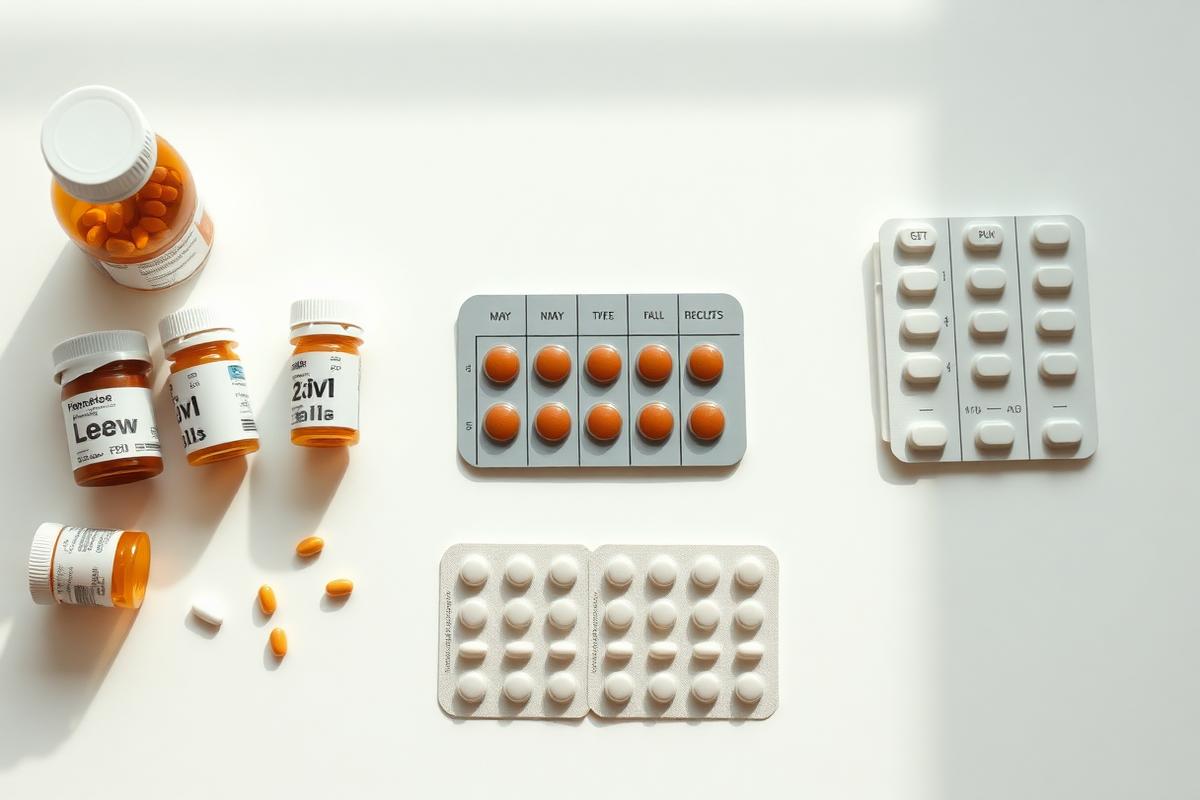
A professional guide on securing strong analgesics at home and ensuring responsible disposal to protect your family and the community from accidental harm.
When strong pain medicines, particularly those in the opioid category, are prescribed for chronic or cancer-related pain, they become a vital part of a patient's care plan. These medications are highly effective for managing severe distress, but their potency requires a high level of responsibility from the caregiver and the patient. In the Indian domestic context, where multi-generational households are common, the presence of these medicines necessitates strict protocols to ensure they are used only by the intended person and do not pose a risk to others in the home.
The Importance of Secure Storage
Proper storage is the first line of defence against accidental ingestion or misuse. Strong pain medicines should never be kept on bedside tables, kitchen counters, or in common areas where they might be mistaken for routine supplements or over-the-counter drugs. Instead, they should be stored in a cool, dry place, ideally within a locked cabinet or a dedicated medicine box that is kept out of the reach and sight of children and domestic help. Heat and humidity can degrade the chemical stability of the medication, so avoiding the bathroom or areas near the stove is essential for maintaining efficacy.
Maintaining an Accurate Inventory
It is a prudent clinical practice to maintain a simple written log of your medication stock. This involves recording the date and the number of tablets received from the pharmacy, and noting down each time a dose is administered. Such transparency allows you to monitor the remaining supply and ensures that any unexpected discrepancy in the count is noticed immediately. In the event of missing medication, you must inform your treating physician or the hospital pharmacy, as these are controlled substances under the Narcotic Drugs and Psychotropic Substances Act in India.
- Keep medicines in their original labelled packaging to avoid confusion with other prescriptions.
- Store the medication log separately from the medicine box for an additional layer of oversight.
- Ensure that all family members are aware that these specific medicines are strictly for the patient.
Preventing Accidental Exposure
Accidental exposure, especially to children or pets, can be a medical emergency. Even a single dose of a strong painkiller intended for an adult can be fatal to a small child. If you are using transdermal patches, such as fentanyl patches, be mindful that they remain potent even after they are removed from the skin. Used patches should be folded in half with the sticky sides together so that the medication surface is not exposed. This precaution prevents children or animals from accidentally coming into contact with the residual drug if they happen to find the discarded item.
Safe Disposal Protocols
When a medication is no longer needed—perhaps due to a change in the treatment plan or the completion of a course—it must be disposed of promptly and safely. Do not keep 'leftover' strong pain medicines for future use or for other family members experiencing pain. The safest method of disposal in the Indian healthcare setting is to return the unused medication to the hospital pharmacy or the palliative care department where it was originally dispensed. Many specialist centres have 'take-back' programmes designed to handle controlled substances according to environmental and safety regulations.
Household Disposal Methods
If returning the medicine to a facility is not immediately possible, certain steps can be taken at home to render the medication unappealing and unusable. Do not crush tablets or open capsules; instead, mix the whole tablets with an unpalatable substance like used tea leaves, coffee grounds, or sand. Place this mixture in a sealed plastic bag or a container before putting it into the household rubbish. Before discarding the empty medicine bottles or strips, ensure that you have scratched out or removed the patient’s name and the prescription details to protect personal medical privacy.
- Do not flush medicines down the toilet unless specifically instructed by the manufacturer or pharmacist.
- Avoid throwing loose pills directly into the dustbin where they can be scavenged.
- Check the expiry dates regularly and dispose of any medication that has passed its limit.
Identifying Signs of Misuse
While these medications are safe when used under strict medical supervision, caregivers should remain vigilant for signs of diversion or misuse within the household. If you notice that the patient’s pain is suddenly poorly controlled despite an adequate supply, or if medication seems to be disappearing faster than the prescribed schedule allows, it is important to have an open conversation with the clinical team. Responsible management ensures that these powerful tools remain available for those who truly need them without creating secondary problems within the family unit.
Managing strong pain medicines requires a partnership between the patient, the family, and the medical team. By following these storage and disposal guidelines, you contribute to a safer home environment and ensure that the focus remains on the patient’s comfort and quality of life. If you have concerns about the safety of your current storage method or if you find the management of these prescriptions overwhelming, please consult a pain and palliative medicine specialist. We are here to provide the necessary guidance to ensure your treatment is both effective and secure.
Previous articleMultimodal Analgesia: Why One Tablet Is Rarely EnoughNext article Managing Opioid Side Effects Without Losing Pain ControlSpeak to a pain specialist
Dr. Parmanand Jain consults at Sushrut Hospital, Chembur, Mumbai. Appointments for patients from Mumbai, Navi Mumbai, Thane and across India.
+91 99676 60429