
Neuropathic Pain
Radiation-Induced Brachial Plexopathy
Dr. Parmanand Jain, MD, MNAMS14 November 20256 min read16.0k views
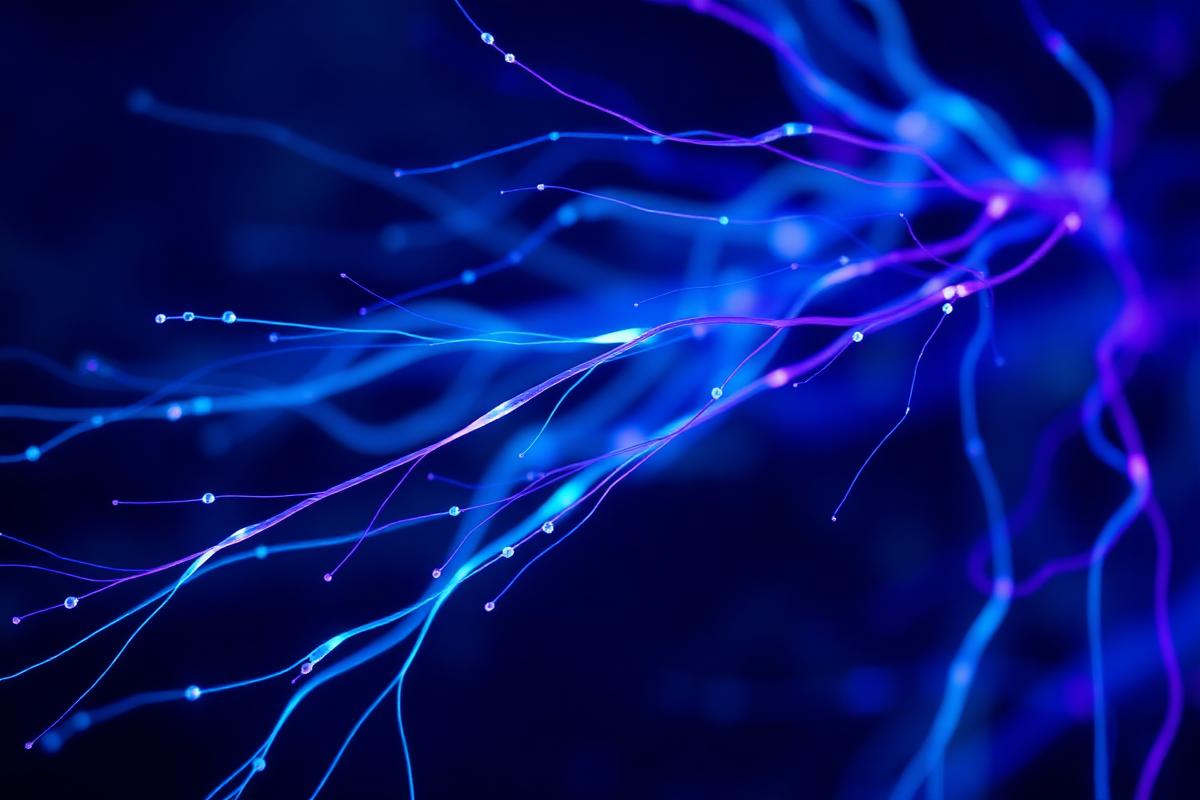
An informative guide for cancer survivors experiencing arm or hand discomfort following radiotherapy to the chest or neck, focusing on nerve health and pain management.
Radiation-induced brachial plexopathy is a complex neurological condition that occasionally develops in patients who have undergone radiotherapy for cancers involving the breast, lung, or head and neck. While modern radiation techniques are designed to be extremely precise, the nerves of the brachial plexus—which control movement and sensation in the arm and hand—remain sensitive to long-term changes in the surrounding tissue. This condition is characterised by a gradual onset of symptoms, often appearing several months or even many years after the completion of treatment. It is essential to understand that this is a known side effect related to tissue fibrosis rather than a direct failure of the initial cancer therapy.
Understanding the Nerve Injury
The brachial plexus is a network of nerves located in the shoulder area. When radiation is administered to this region, it can cause the surrounding connective tissue to become firm and less flexible, a process known as fibrosis. As this tissue thickens over time, it may compress or restrict the blood supply to the underlying nerves. This physiological change leads to neuropathic pain, which is pain arising directly from damaged or dysfunctional nerves. Because nerve tissue heals slowly, the symptoms tend to be persistent and require a patient, multidisciplinary approach to management rather than a quick surgical or medicinal fix.
Common Symptoms and Presentations
Patients typically report a slow progression of sensations in the affected limb. It is common for the dominant hand or arm to feel different from the other side, often starting with subtle changes in temperature or texture perception. Over time, these sensations may become more pronounced, interfering with daily activities such as dressing or writing. Recognising these signs early allows for a more proactive management plan to preserve as much function as possible.
- Persistent numbness or a 'pins and needles' sensation in the hand.
- Weakness in the muscles of the forearm or fingers.
- A dull, heavy ache in the shoulder or upper arm.
- Sharp, electric-shock-like pains triggered by certain movements.
Differentiating from Other Conditions
One of the primary challenges for both patients and clinicians is distinguishing radiation-induced changes from other potential issues, such as a recurrence of the original illness or common conditions like carpal tunnel syndrome. In the Indian clinical context, we rely on a combination of physical examinations and imaging studies. Magnetic resonance imaging (MRI) and nerve conduction studies are frequently employed to assess the extent of the nerve involvement. It is reassuring to note that many patients find their symptoms remain stable for long periods, and modern diagnostic tools help us rule out more serious concerns with a high degree of accuracy.
Strategies for Pain Management
The management of neuropathic pain in this setting is focused on improving the quality of life and maintaining limb mobility. We often utilise specific medications that stabilise the overactive signals being sent by the damaged nerves. These are not standard painkillers but are designed specifically for nerve-related discomfort. In addition to pharmacological interventions, physical therapy plays a vital role. Gentle stretching and range-of-motion exercises help prevent the joints from becoming stiff due to disuse, ensuring that the arm remains functional for as long as possible.
Integrating Supportive Care
In some instances, interventional procedures may be considered to interrupt the pain signals. These are performed with great care under imaging guidance to ensure safety. However, the cornerstone of care remains a holistic view of the patient's well-being. Psychological support and occupational therapy are invaluable, as they provide patients with the tools to adapt their environment and manage the emotional burden of chronic discomfort. We encourage a slow and steady approach, avoiding any aggressive manual therapies that could potentially irritate the sensitive nerve network further.
- Adhering to a scheduled medication regime rather than taking pills only when pain is severe.
- Practising gentle lymphedema management if swelling is also present.
- Using assistive devices to reduce the strain on the weakened hand.
When to Consult a Specialist
It is important for cancer survivors to remain vigilant about new or changing symptoms in their limbs. If you notice a gradual increase in weakness, a change in the way your hand feels, or a persistent ache that interferes with your sleep, it is advisable to seek a consultation with a pain and palliative medicine specialist. Early intervention can significantly help in managing the neuropathic symptoms and preventing secondary complications such as joint contractures. A specialist can provide a tailored plan that balances medication, physical rehabilitation, and interventional techniques to help you maintain your independence and comfort.
Previous articlePhantom Limb Pain After AmputationNext article Enhanced Recovery After Surgery: The Pain Component
Speak to a pain specialist
Dr. Parmanand Jain consults at Sushrut Hospital, Chembur, Mumbai. Appointments for patients from Mumbai, Navi Mumbai, Thane and across India.
+91 99676 60429