
Interventional Pain
Interventional Pain Procedures: A Guide for Patients & Caregivers
Dr. Parmanand Jain, MD, MNAMS22 March 20267 min read20.7k views
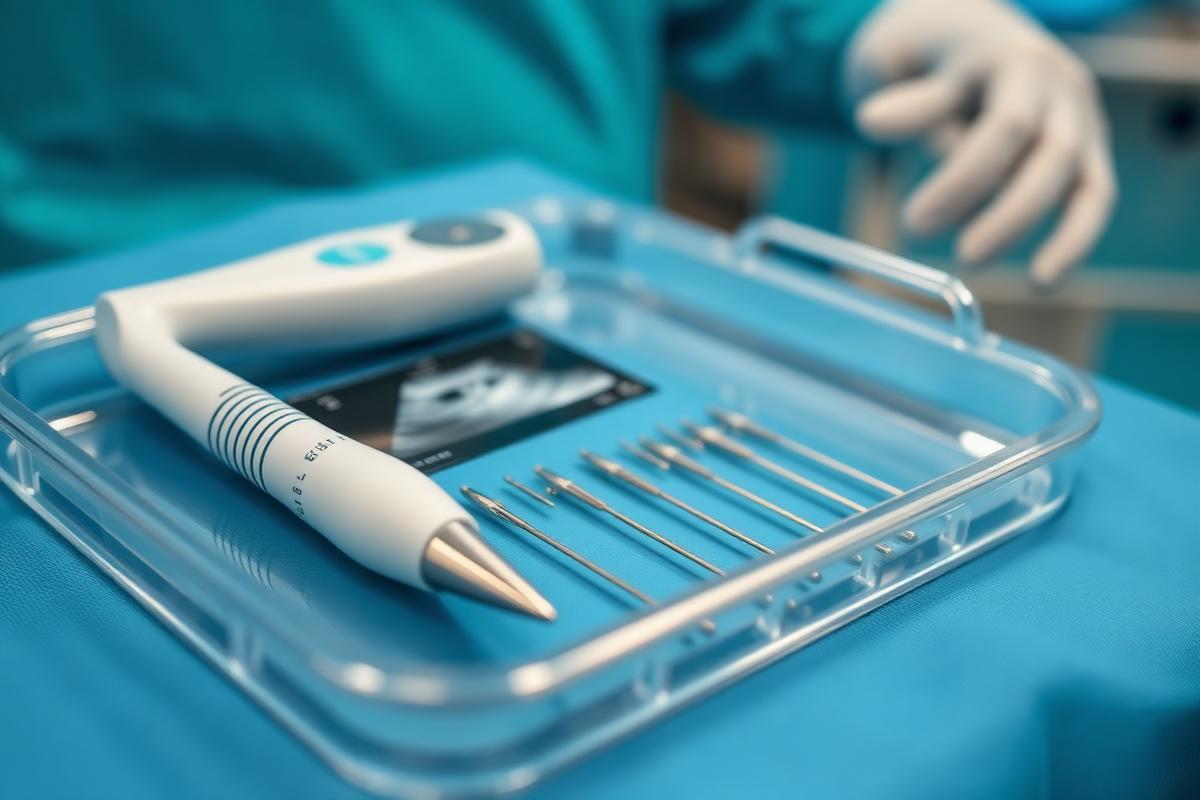
What image-guided pain procedures are, how they are performed, what they feel like, and how to prepare.
Interventional pain procedures place a small, precise dose of medicine exactly where pain signals travel, using imaging to guide the needle. Because the treatment acts locally, patients often need far fewer tablets — and feel more alert as a result.
The main types
- Diagnostic blocks with local anaesthetic, to confirm the source of pain
- Neurolytic blocks using alcohol or phenol for longer-lasting relief, such as celiac plexus block
- Epidural and intrathecal techniques, including implanted catheters for selected patients
- Radiofrequency treatment, which uses controlled heat to interrupt specific nerves
- Joint, muscle and soft-tissue injections for localised musculoskeletal pain
How imaging guidance works
Ultrasound shows soft tissue and vessels in real time. Fluoroscopy and CT show bony landmarks and confirm the spread of contrast before any medicine is injected. This confirmation step is what separates a targeted procedure from a blind injection.
Preparing for your procedure
- Tell your doctor about blood thinners, diabetes medicines and any allergy
- Follow fasting instructions exactly if sedation is planned
- Bring recent scans and reports
- Arrange for someone to accompany you home
On the day, and afterwards
Most procedures take twenty to forty minutes. You are awake but comfortable, with monitoring and local anaesthesia; sedation is added when needed. Afterwards you rest for a few hours before going home. Mild soreness at the needle site is normal. Relief may be immediate or build over a few days, and your medicines will then be reduced deliberately rather than stopped abruptly.
Questions worth asking
What exactly is being targeted? How long is relief expected to last? Can it be repeated? What are the specific risks in my case, and what happens if it does not work? A good consultation answers all five before you consent.
 Previous articleWhat Happens at a Palliative Care ConsultationNext article Breathlessness in Advanced Illness: How It Is Treated
Speak to a pain specialist
Dr. Parmanand Jain consults at Sushrut Hospital, Chembur, Mumbai. Appointments for patients from Mumbai, Navi Mumbai, Thane and across India.
+91 99676 60429