
Interventional Pain
Epidural and Intrathecal Pumps for Severe Cancer Pain
Dr. Parmanand Jain, MD, MNAMS8 May 20266 min read2.5k views
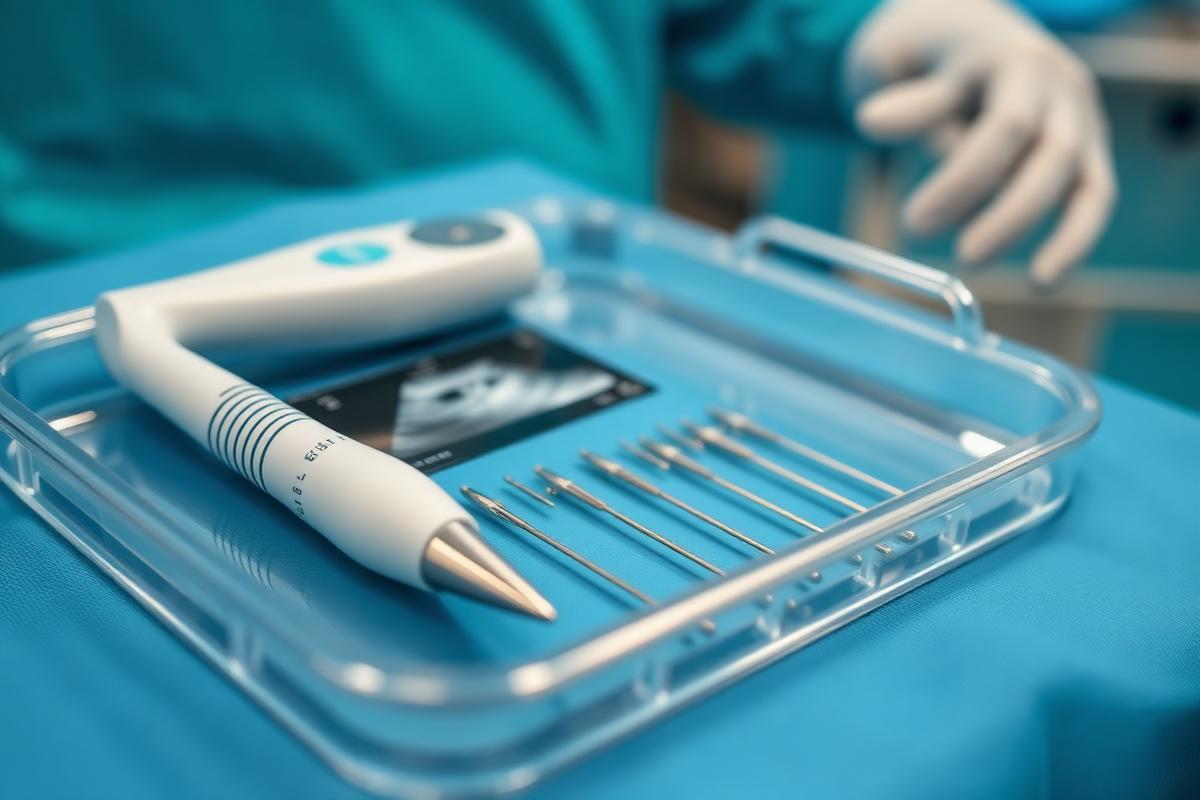
A guide to advanced pain management using internal pump technology for patients with intractable cancer-related pain when conventional oral medications prove insufficient.
When severe pain associated with cancer becomes difficult to manage through traditional oral or transdermal medications, we look toward advanced interventional techniques to provide relief. For a small but significant number of patients, the side effects of high-dose morphine or similar drugs, such as extreme drowsiness, nausea, or mental clouding, become as debilitating as the pain itself. In such scenarios, delivering medication directly into the space surrounding the spinal cord offers a sophisticated solution. This method, known as neuraxial analgesia, allows us to achieve superior pain control using a tiny fraction of the systemic dose, thereby significantly reducing the burden of side effects and improving the patient’s overall quality of life.
Understanding Neuraxial Drug Delivery
The central nervous system is the primary site where pain signals are processed. By placing a small, flexible tube called a catheter near the spinal cord, we can deliver pain-relieving agents directly to the opioid receptors. There are two primary anatomical targets for this: the epidural space and the intrathecal space. The epidural space is the area just outside the membrane protecting the spinal cord, while the intrathecal space is the fluid-filled area containing the cerebrospinal fluid. Because the medication does not need to pass through the digestive system or the bloodstream to reach the brain, the relief is often more rapid and far more potent than what can be achieved with tablets or injections.
The Difference Between Epidural and Intrathecal Routes
Choosing between these two routes depends on the expected duration of treatment and the specific nature of the malignancy. The epidural route is frequently used for short-to-medium term management, often involving an external pump that the patient or caregiver can monitor. It is a reliable method for pain originating from specific nerve roots. In contrast, the intrathecal route is generally reserved for long-term management. Because the drug is placed directly into the spinal fluid, the dose required is approximately one-hundredth of the oral dose. For instance, if a patient requires 300 milligrams of oral morphine, the same effect might be achieved with just 3 milligrams delivered intrathecally.
The Implantable Pump System
For patients with a longer life expectancy who require consistent, high-level pain management, an implantable pump is often the gold standard. This device consists of a round metal reservoir, about the size of a hockey puck, which is surgically placed under the skin of the abdomen. A catheter runs from this pump to the intrathecal space in the spine. The pump is programmed by the physician to release a precise amount of medication throughout the day. This system is entirely internal, meaning there are no tubes protruding through the skin, which significantly reduces the risk of infection and allows the patient greater physical freedom and the ability to bathe normally.
- Improved pain control with significantly lower doses of medication.
- Reduced systemic side effects like constipation, sedation, and vomiting.
- The ability to program constant infusion or patient-controlled boluses.
- Enhanced ability to participate in activities of daily living.
The Procedure and Trial Phase
Before a permanent pump is implanted, we typically conduct a trial to ensure the patient responds well to this mode of delivery. During this trial, a temporary catheter is inserted, and the patient's pain levels and side effects are closely monitored over twenty-four to forty-eight hours. If the trial demonstrates at least a fifty per cent reduction in pain with manageable side effects, we proceed to the permanent implantation. The surgery is performed under local anaesthesia with sedation or general anaesthesia. The reservoir is refilled periodically—usually every one to three months—by a simple needle prick through the skin into the pump's diaphragm in a clinical setting.
Patient Selection and Considerations
Not every patient with cancer pain is a candidate for these advanced pumps. We carefully evaluate the patient's overall health, the site of the cancer, and their psychological readiness. It is crucial that the patient has a supportive home environment and the ability to attend follow-up appointments for reservoir refills. While these pumps are highly effective, they require meticulous management to prevent complications such as catheter blockage or pump malfunction. In the Indian context, we also consider the cost-benefit ratio and the proximity of the patient to a specialised pain centre, as technical support must be accessible in case the pump requires reprogramming or troubleshooting.
- Intractable pain not responding to WHO Step III analgesics.
- Intolerable side effects from oral or intravenous opioids.
- Pain that is localised or regional rather than generalised.
- A life expectancy that justifies the surgical intervention.
Safety and Monitoring
Safety is our paramount concern when managing neuraxial systems. Patients and their families are educated on the signs of potential issues, such as increased pain, redness at the site, or sudden changes in neurological function. Modern pumps are equipped with sophisticated alarms that sound if the reservoir is low or if the battery is nearing the end of its life, which usually occurs after five to seven years. Regular follow-ups allow the pain specialist to fine-tune the dosage as the disease progresses, ensuring that the patient remains as comfortable and alert as possible throughout their journey.
If you or a loved one are finding that standard pain medications are no longer providing adequate relief, or if the side effects of those medications have become unbearable, it may be time to consult a specialist in Pain and Palliative Medicine. These advanced interventional techniques are designed to restore dignity and comfort when conventional methods fail. A detailed assessment by a specialist can determine if an epidural or intrathecal pump is the appropriate next step in your personalised pain management plan.
 Previous articleManaging Post-Surgical Pain: What Patients Should KnowNext article Radiofrequency Ablation for Chronic Pain
Speak to a pain specialist
Dr. Parmanand Jain consults at Sushrut Hospital, Chembur, Mumbai. Appointments for patients from Mumbai, Navi Mumbai, Thane and across India.
+91 99676 60429