
Cancer Pain Management
Cancer Pain Doesn't Recognize Borders — How India is Becoming a Global Destination for Pain-Free Cancer Care
Dr. Parmanand Jain, MD, MNAMS18 September 20261 min read0 views
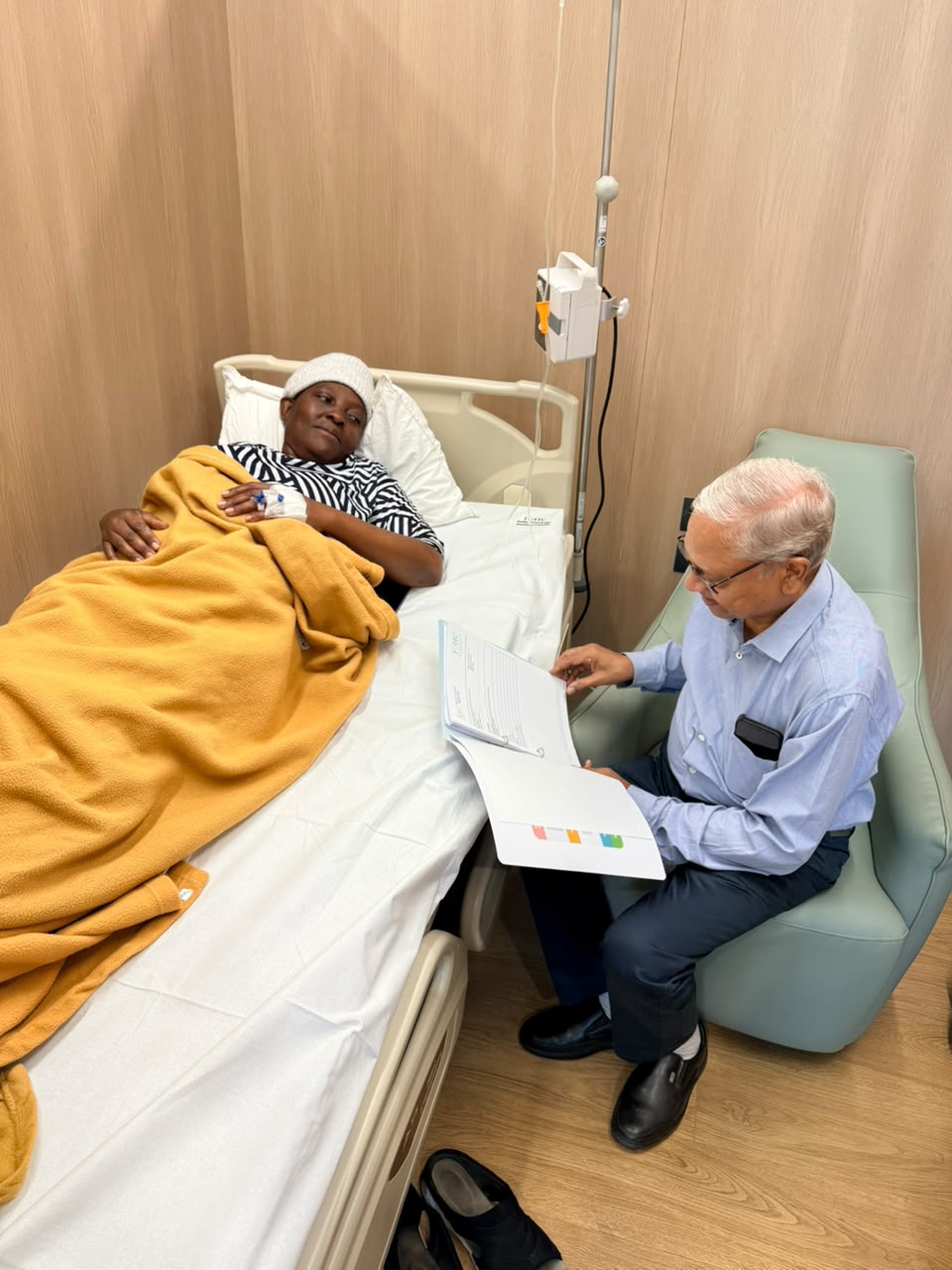
For many cancer patients around the world, the disease itself is only part of the battle. Chronic, often debilitating pain is one of the most feared and under-treated aspects of cancer — and in many countries, access to specialized pain management remains limited, expensive, or simply unavailable. This is why a growing number of international patients are now traveling to India specifically for cancer pain management — not just cancer treatment.
Why International Patients Are Choosing India for Cancer Pain Care
1. Specialized Expertise, Globally Recognized
India has developed a strong ecosystem of pain and palliative medicine specialists — many trained at premier institutions and with decades of hands-on experience treating complex, treatment-resistant cancer pain. Advanced interventional techniques (nerve blocks, intrathecal pumps, radiofrequency ablation, palliative sedation protocols) that may involve long waitlists abroad are often available faster in India.
2. Cost-Effective Without Compromising Quality
A pain management program — including consultations, interventional procedures, and follow-up care — typically costs a fraction of what it would in the US, UK, or Gulf countries, without a drop in clinical quality.
3. Faster Access to Interventional Procedures
International patients often report waiting weeks or months for interventional pain procedures in their home countries. In India, these can frequently be scheduled within days.
4. Holistic, Patient-Centered Approach
Indian pain and palliative care emphasizes not just symptom control but quality of life — integrating psychological support, family counseling, and long-term care planning alongside medical intervention.
5. English-Speaking Medical Teams & International Patient Support
Most centers treating international patients have dedicated coordinators for travel, accommodation, visa assistance, interpreter services (for non-English speakers), and follow-up communication post-return.
What Does Cancer Pain Management for International Patients Look Like?
A typical journey includes:
- Pre-arrival teleconsultation — reviewing medical history, scans, and current pain regimen remotely
- On-arrival assessment — comprehensive pain evaluation by a specialist team
- Personalized treatment plan — combining pharmacological management with interventional procedures where needed
- Procedure & recovery — typically requiring a short in-country stay (days to a couple of weeks depending on complexity)
- Discharge planning — medication protocols and instructions coordinated with the patient's home physician
- Post-return follow-up — via telemedicine to monitor progress and adjust care
Who Should Consider Traveling for Cancer Pain Treatment?
- Patients with pain poorly controlled by current medication
- Those facing long wait times for interventional procedures at home
- Patients seeking a second opinion on pain management options
- Those whose home country lacks specialized palliative/pain care infrastructure
The Bigger Picture
As cancer survivorship increases globally, effective pain management is no longer a luxury — it's essential to quality of life. India's combination of clinical expertise, affordability, and dedicated international patient care infrastructure is positioning it as a serious option for patients worldwide who deserve relief, not just treatment.
If you or a loved one is struggling with cancer pain and exploring treatment options abroad, a specialist consultation can help clarify what's possible — often before you even need to travel.
Speak to a pain specialist
Dr. Parmanand Jain consults at Sushrut Hospital, Chembur, Mumbai. Appointments for patients from Mumbai, Navi Mumbai, Thane and across India.
+91 99676 60429